


Shih Tzu Kennel Exercise Areas
Many types of surfaces can be used in exercise yards. They all have problems to one degree or another. A very common surface covering for a Shih Tzu exercise yard is crushed gravel. It keeps the Shih Tzu out of the mud and is relatively easy to scoop up droppings from the stone. Urine runs through easily, keeping it off the Shih Tzu’s feet. One effective treatment for Shih Tzu gravel exercise yards is applying dry lime. Sprinkle the lime lightly over the entire yard and then wash through the gravel with a hose. Use enough water to ensure that the top surface is free of any residue, and also to ensure that the lime solution reaches the dirt underneath where the parasites are.
Concrete patio blocks can be used as a substitute for crushed gravel in a Shih Tzu exercise yard. They can even be used in addition to the gravel as a base in which the blocks rest. It is more difficult to pick up droppings from the patio blocks than from the bare gravel, but it can be done.
Another treatment for Shih Tzu exercise yards is to pave the entire surface with concrete. Polish the surface of the concrete while it is drying to have a finish that will be easy to keep clean. However, a polished surface will be too smooth for the Shih Tzu to run on efficiently. A brushed concrete finish is best for the Shih Tzu to run on, but is much more difficult to keep sterilized. A concrete surface can easily be scrubbed down with hot water and soap on a daily basis to help prevent build-up that could cause problems for your Shih Tzu.
One problem with concrete runs for a Shih Tzu exercise yard is that urine does not disappear rapidly enough, which makes it possible for the Shih Tzu to run through it. This quickly accumulates and forms a sticky substance on the Shih Tzu’s feet and the tips of the hair.
Many Shih Tzu kennels maintain a large fenced running area adjacent to the regular individual kennel runs that are covered with grass. The Shih Tzu is able to exercise on a softer material. The grassy areas, however, cannot be used in rainy weather, especially if you keep your Shih Tzu in full coat. Romping Shih Tzu can turn wet grassy areas into a mud field very rapidly. There is also the serious problem of keeping a grass covered area sterilized. Any chemical strong enough to destroy parasites and their eggs would also destroy the grass. In northern areas where there is severe ground freezing during several weeks of the year, the problem is less serious.
Large exercise areas are of great importance for the overall development of the Shih Tzu. For any dog to develop and to maintain the p0roper musculature, he must have a large area in which he can run, play and romp freely.
Connie Limon is a Shih Tzu breeder. She publishes a FREE weekly newsletter with a focus upon health and wellness for you and your pets. Designer dog clothes are offered on the website. Discounts are offered to subscribers. Sign up at: http://www.stainglassshihtzus.com
This article is FREE to publish with resource box.
Monday, June 26, 2006


Sunday, June 25, 2006
Types of Dog/Shih Tzu Aggression
Types of Dog/Shih Tzu Aggression
By nature, Shih Tzu is generally not an aggressive type of dog. However, there are exceptions and in this article I will discuss 4 types of dog aggression that could be a warning sign to the owner that his Shih Tzu is in need of professional help.
Four types of dog and possibly Shih Tzu aggression are:
Dominance Aggression Toward People
Interdog Dominance Aggression
Fear Aggression
Territorial Aggression
Dominance aggression toward people: Dominance is the driving force behind all canine aggression. Without dominance dogs and Shih Tzu also would not be able to stand up for themselves. Even a Shih Tzu with a submissive type temperament will have a small amount of dominance behaviors, enough to warn intruders off a favorite food, toy or circumstance. Protection of the Shih Tzu’s valued assets can be virtually the only sign of dominance. An aggressive response by a dominant Shih Tzu may also occur when the Shih Tzu is prevented from doing something it wants to do, in response to manipulations around the head and neck or when the Shih Tzu is disciplined. Different dogs and different Shih Tzu have different priorities with regards to what will “tick them off.” Dominance aggression is also dependent upon the time, place and circumstance. Dominant Shih Tzu is not likely to become aggressive toward the person he perceives as his leader. Dominance aggression is the primary way dogs and Shih Tzu establishes their hierarchical structure and relationships with each other. Therefore, some dominance aggression in dogs and Shih Tzu is to be expected.
Interdog dominance aggression: This is a dog or Shih Tzu that constantly picks fights with other dogs. The subordinate dog defers to a dominant dog by averting his eyes; holding the head low, body hunkered down, tail tucked or held low, which is the canine equivalent of waving a white flag. Treatment of aggression between dogs is not easy. You can, however, keep your interdog dominant Shih Tzu on lead when he is likely to be confronted with other dogs. Seek professional help if your Shih Tzu continually exhibits this type of aggression.
Fear aggression: Fearful and insecure dogs or Shih Tzu may exhibit aggression whenever they feel threatened. Often there has been a point in these dogs’ lives when they were exposed to some unpleasant experience involving a person or another dog. Many Shih Tzu from rescues, pet shops or puppy mills may acquire fear aggression. A Shih Tzu purchased from a reputable breeder and then mistreated by new owners can also acquire fear aggression. Fear aggression involving people are often men and children, and almost always strangers. Professional help is often needed for this type of Shih Tzu and most often the cause for the fear aggression can be ascertained.
Territorial aggression: Some Shih Tzu aggressiveness to strangers and other dogs occurs when they are approached within their own space or territory. The territory can be the owner’s home and property. They will bark and otherwise attempt to intimidate intruders until such time as it is clear that the visitor is welcome by the owners.
One very positive side of dog aggression is that a good guard dog is better than any alarm system. A house with a dog is far less likely to get burglarized. Many times the house with the dog or dogs remains unmolested. Just having a dog with you as you walk is a deterrent for many would-be attackers.
Connie Limon is a Shih Tzu breeder. She publishes a FREE weekly newsletter. Sign up at: http://www.stainglassshihtzus.com Designer Dog Clothes are offered on the website.
This article is FREE to publish with resource box.
By nature, Shih Tzu is generally not an aggressive type of dog. However, there are exceptions and in this article I will discuss 4 types of dog aggression that could be a warning sign to the owner that his Shih Tzu is in need of professional help.
Four types of dog and possibly Shih Tzu aggression are:
Dominance Aggression Toward People
Interdog Dominance Aggression
Fear Aggression
Territorial Aggression
Dominance aggression toward people: Dominance is the driving force behind all canine aggression. Without dominance dogs and Shih Tzu also would not be able to stand up for themselves. Even a Shih Tzu with a submissive type temperament will have a small amount of dominance behaviors, enough to warn intruders off a favorite food, toy or circumstance. Protection of the Shih Tzu’s valued assets can be virtually the only sign of dominance. An aggressive response by a dominant Shih Tzu may also occur when the Shih Tzu is prevented from doing something it wants to do, in response to manipulations around the head and neck or when the Shih Tzu is disciplined. Different dogs and different Shih Tzu have different priorities with regards to what will “tick them off.” Dominance aggression is also dependent upon the time, place and circumstance. Dominant Shih Tzu is not likely to become aggressive toward the person he perceives as his leader. Dominance aggression is the primary way dogs and Shih Tzu establishes their hierarchical structure and relationships with each other. Therefore, some dominance aggression in dogs and Shih Tzu is to be expected.
Interdog dominance aggression: This is a dog or Shih Tzu that constantly picks fights with other dogs. The subordinate dog defers to a dominant dog by averting his eyes; holding the head low, body hunkered down, tail tucked or held low, which is the canine equivalent of waving a white flag. Treatment of aggression between dogs is not easy. You can, however, keep your interdog dominant Shih Tzu on lead when he is likely to be confronted with other dogs. Seek professional help if your Shih Tzu continually exhibits this type of aggression.
Fear aggression: Fearful and insecure dogs or Shih Tzu may exhibit aggression whenever they feel threatened. Often there has been a point in these dogs’ lives when they were exposed to some unpleasant experience involving a person or another dog. Many Shih Tzu from rescues, pet shops or puppy mills may acquire fear aggression. A Shih Tzu purchased from a reputable breeder and then mistreated by new owners can also acquire fear aggression. Fear aggression involving people are often men and children, and almost always strangers. Professional help is often needed for this type of Shih Tzu and most often the cause for the fear aggression can be ascertained.
Territorial aggression: Some Shih Tzu aggressiveness to strangers and other dogs occurs when they are approached within their own space or territory. The territory can be the owner’s home and property. They will bark and otherwise attempt to intimidate intruders until such time as it is clear that the visitor is welcome by the owners.
One very positive side of dog aggression is that a good guard dog is better than any alarm system. A house with a dog is far less likely to get burglarized. Many times the house with the dog or dogs remains unmolested. Just having a dog with you as you walk is a deterrent for many would-be attackers.
Connie Limon is a Shih Tzu breeder. She publishes a FREE weekly newsletter. Sign up at: http://www.stainglassshihtzus.com Designer Dog Clothes are offered on the website.
This article is FREE to publish with resource box.
Saturday, June 24, 2006
Bottle Feeding Orphan Shih Tzu Puppies
Bottle Feeding Orphan Shih Tzu Puppies
Nursing bottles for orphaned Shih Tzu puppies can be obtained through the veterinarian, pet supplier, wholesale catalogs or the internet. You should purchase several nipple styles to see which works best for you and your Shih Tzu.
Shih Tzu puppies can become colicky just like human newborn babies. Be careful about allowing a Shih Tzu puppy to ingest air when either tube or bottle feeding. Always turn the bottle and nipple end down, before offering it to the Shih Tzu puppy. All the air in the bottle will rise to the solid end. When the Shih Tzu puppy is nursing freely bubbles rise in the bottle. The bubble flow should be fairly rapid, small and uniform in size, rising in even response to the Shih Tzu puppy’s nursing. If the bubbles are large the Shih Tzu puppy may also be ingesting air. Check the nipple cap.
Occasionally remove the bottle from the Shih Tzu puppy’s mouth to allow a return passage of air back into the bottle. A return passage of air occurs either through turning the bottle upright or by momentarily loosening the cap. Do not abruptly pull the bottle from the Shih Tzu puppy’s mouth. Place a finger in the corner of the Shih Tzu puppy’s lip to break the nursing hold.
Some Shih Tzu puppies may instinctively resist the unnatural feel of a manufactured nipple.
If the dam is available, rub the bottle and nipple and a towel over her mammaries.
Drape this towel across your stomach and lap.
Hold the puppy on your lap against your abdomen.
Express a small amount of formula from the bottle and wipe it over the nipple.
As you introduce the bottle’s nipple to the Shih Tzu puppy’s mouth, move your legs slightly, jiggling your lap.
Also jiggle the bottle up and down in the puppy’s mouth using tiny motions. The movements re-create the dam’s breathing and Shih Tzu puppy’s nursing position on the dam that should cause the Shih Tzu puppy to instinctively and reflexively latch onto the nipple.
Have lots of patience.
You will need to burp the bottle fed Shih Tzu puppy after each feeding. Do not allow the Shih Tzu puppy to nurse the bottle dry to avoid a colicky baby. You can burp your Shih Tzu puppy the same as you would a newborn human baby on your shoulder with gentle pats and rubs between the shoulder blades.
Connie Limon is a Shih Tzu breeder. She publishes a FREE weekly newsletter with a focus upon health and wellness for you and your pets. Designer pet clothing is available on the website. Discounts are offered to subscribers. Sign up at: http://www.stainglassshihtzus.com
This article is FREE to publish with resource box.
Nursing bottles for orphaned Shih Tzu puppies can be obtained through the veterinarian, pet supplier, wholesale catalogs or the internet. You should purchase several nipple styles to see which works best for you and your Shih Tzu.
Shih Tzu puppies can become colicky just like human newborn babies. Be careful about allowing a Shih Tzu puppy to ingest air when either tube or bottle feeding. Always turn the bottle and nipple end down, before offering it to the Shih Tzu puppy. All the air in the bottle will rise to the solid end. When the Shih Tzu puppy is nursing freely bubbles rise in the bottle. The bubble flow should be fairly rapid, small and uniform in size, rising in even response to the Shih Tzu puppy’s nursing. If the bubbles are large the Shih Tzu puppy may also be ingesting air. Check the nipple cap.
Occasionally remove the bottle from the Shih Tzu puppy’s mouth to allow a return passage of air back into the bottle. A return passage of air occurs either through turning the bottle upright or by momentarily loosening the cap. Do not abruptly pull the bottle from the Shih Tzu puppy’s mouth. Place a finger in the corner of the Shih Tzu puppy’s lip to break the nursing hold.
Some Shih Tzu puppies may instinctively resist the unnatural feel of a manufactured nipple.
If the dam is available, rub the bottle and nipple and a towel over her mammaries.
Drape this towel across your stomach and lap.
Hold the puppy on your lap against your abdomen.
Express a small amount of formula from the bottle and wipe it over the nipple.
As you introduce the bottle’s nipple to the Shih Tzu puppy’s mouth, move your legs slightly, jiggling your lap.
Also jiggle the bottle up and down in the puppy’s mouth using tiny motions. The movements re-create the dam’s breathing and Shih Tzu puppy’s nursing position on the dam that should cause the Shih Tzu puppy to instinctively and reflexively latch onto the nipple.
Have lots of patience.
You will need to burp the bottle fed Shih Tzu puppy after each feeding. Do not allow the Shih Tzu puppy to nurse the bottle dry to avoid a colicky baby. You can burp your Shih Tzu puppy the same as you would a newborn human baby on your shoulder with gentle pats and rubs between the shoulder blades.
Connie Limon is a Shih Tzu breeder. She publishes a FREE weekly newsletter with a focus upon health and wellness for you and your pets. Designer pet clothing is available on the website. Discounts are offered to subscribers. Sign up at: http://www.stainglassshihtzus.com
This article is FREE to publish with resource box.
Dog Aggression
Types of Dog/Shih Tzu Aggression
By nature, Shih Tzu is generally not an aggressive type of dog. However, there are exceptions and in this article I will discuss 4 types of dog aggression that could be a warning sign to the owner that his Shih Tzu is in need of professional help.
Four types of dog and possibly Shih Tzu aggression are:
Dominance Aggression Toward People
Interdog Dominance Aggression
Fear Aggression
Territorial Aggression
Dominance aggression toward people: Dominance is the driving force behind all canine aggression. Without dominance dogs and Shih Tzu also would not be able to stand up for themselves. Even a Shih Tzu with a submissive type temperament will have a small amount of dominance behaviors, enough to warn intruders off a favorite food, toy or circumstance. Protection of the Shih Tzu’s valued assets can be virtually the only sign of dominance. An aggressive response by a dominant Shih Tzu may also occur when the Shih Tzu is prevented from doing something it wants to do, in response to manipulations around the head and neck or when the Shih Tzu is disciplined. Different dogs and different Shih Tzu have different priorities with regards to what will “tick them off.” Dominance aggression is also dependent upon the time, place and circumstance. Dominant Shih Tzu is not likely to become aggressive toward the person he perceives as his leader. Dominance aggression is the primary way dogs and Shih Tzu establishes their hierarchical structure and relationships with each other. Therefore, some dominance aggression in dogs and Shih Tzu is to be expected.
Interdog dominance aggression: This is a dog or Shih Tzu that constantly picks fights with other dogs. The subordinate dog defers to a dominant dog by averting his eyes; holding the head low, body hunkered down, tail tucked or held low, which is the canine equivalent of waving a white flag. Treatment of aggression between dogs is not easy. You can, however, keep your interdog dominant Shih Tzu on lead when he is likely to be confronted with other dogs. Seek professional help if your Shih Tzu continually exhibits this type of aggression.
Fear aggression: Fearful and insecure dogs or Shih Tzu may exhibit aggression whenever they feel threatened. Often there has been a point in these dogs’ lives when they were exposed to some unpleasant experience involving a person or another dog. Many Shih Tzu from rescues, pet shops or puppy mills may acquire fear aggression. A Shih Tzu purchased from a reputable breeder and then mistreated by new owners can also acquire fear aggression. Fear aggression involving people are often men and children, and almost always strangers. Professional help is often needed for this type of Shih Tzu and most often the cause for the fear aggression can be ascertained.
Territorial aggression: Some Shih Tzu aggressiveness to strangers and other dogs occurs when they are approached within their own space or territory. The territory can be the owner’s home and property. They will bark and otherwise attempt to intimidate intruders until such time as it is clear that the visitor is welcome by the owners.
One very positive side of dog aggression is that a good guard dog is better than any alarm system. A house with a dog is far less likely to get burglarized. Many times the house with the dog or dogs remains unmolested. Just having a dog with you as you walk is a deterrent for many would-be attackers.
Connie Limon is a Shih Tzu breeder. She publishes a FREE weekly newsletter. Sign up at: http://www.stainglassshihtzus.com/ Designer Dog Clothes are offered on the website.
This article is FREE to publish with resource box.
By nature, Shih Tzu is generally not an aggressive type of dog. However, there are exceptions and in this article I will discuss 4 types of dog aggression that could be a warning sign to the owner that his Shih Tzu is in need of professional help.
Four types of dog and possibly Shih Tzu aggression are:
Dominance Aggression Toward People
Interdog Dominance Aggression
Fear Aggression
Territorial Aggression
Dominance aggression toward people: Dominance is the driving force behind all canine aggression. Without dominance dogs and Shih Tzu also would not be able to stand up for themselves. Even a Shih Tzu with a submissive type temperament will have a small amount of dominance behaviors, enough to warn intruders off a favorite food, toy or circumstance. Protection of the Shih Tzu’s valued assets can be virtually the only sign of dominance. An aggressive response by a dominant Shih Tzu may also occur when the Shih Tzu is prevented from doing something it wants to do, in response to manipulations around the head and neck or when the Shih Tzu is disciplined. Different dogs and different Shih Tzu have different priorities with regards to what will “tick them off.” Dominance aggression is also dependent upon the time, place and circumstance. Dominant Shih Tzu is not likely to become aggressive toward the person he perceives as his leader. Dominance aggression is the primary way dogs and Shih Tzu establishes their hierarchical structure and relationships with each other. Therefore, some dominance aggression in dogs and Shih Tzu is to be expected.
Interdog dominance aggression: This is a dog or Shih Tzu that constantly picks fights with other dogs. The subordinate dog defers to a dominant dog by averting his eyes; holding the head low, body hunkered down, tail tucked or held low, which is the canine equivalent of waving a white flag. Treatment of aggression between dogs is not easy. You can, however, keep your interdog dominant Shih Tzu on lead when he is likely to be confronted with other dogs. Seek professional help if your Shih Tzu continually exhibits this type of aggression.
Fear aggression: Fearful and insecure dogs or Shih Tzu may exhibit aggression whenever they feel threatened. Often there has been a point in these dogs’ lives when they were exposed to some unpleasant experience involving a person or another dog. Many Shih Tzu from rescues, pet shops or puppy mills may acquire fear aggression. A Shih Tzu purchased from a reputable breeder and then mistreated by new owners can also acquire fear aggression. Fear aggression involving people are often men and children, and almost always strangers. Professional help is often needed for this type of Shih Tzu and most often the cause for the fear aggression can be ascertained.
Territorial aggression: Some Shih Tzu aggressiveness to strangers and other dogs occurs when they are approached within their own space or territory. The territory can be the owner’s home and property. They will bark and otherwise attempt to intimidate intruders until such time as it is clear that the visitor is welcome by the owners.
One very positive side of dog aggression is that a good guard dog is better than any alarm system. A house with a dog is far less likely to get burglarized. Many times the house with the dog or dogs remains unmolested. Just having a dog with you as you walk is a deterrent for many would-be attackers.
Connie Limon is a Shih Tzu breeder. She publishes a FREE weekly newsletter. Sign up at: http://www.stainglassshihtzus.com/ Designer Dog Clothes are offered on the website.
This article is FREE to publish with resource box.
Thursday, June 22, 2006
Shih Tzu Legends
Shih Tzu History and Legends/Cross Breeding with Pekingese and Lhasa Terrier/Shih Tzu Management
There has been a strong opinion in shih tzu history that the Tibetan Lion Dog is the result of a cross between the Lhasa Terrier and the Pekingese, which occurred out of the mixing of the two breeds in Tibet and China.
The dogs of each country had been taken to the other from time to time by tribute envoys and officials. The cross in Tibet, that had been taken out of that country by way of India, has been called the Apso, while the cross in Peking has been called the Tibetan Poodle or Lion Dog. The Tibetan cross probably had more of the Lhassa Terrier in it, while the Chinese cross has more of the Pekingese.
Shih Tzu Management:
Be cautious about the dangers of dampness and violent temperature changes when it comes to the living quarters for your shih tzu. With a heritage of luxurious living in the palaces of the Orient, the domesticated dogs of today for the most part share the lovely homes of their owners in our affluent society but still must be protected against sudden change in temperature or weather conditions, particularly true with puppies.
The Shih Tzu is a rugged little dog, it is sheer folly for a dog to sleep indoors by the stove, fireplace, or beneath a comforter on his master's bed one night, and then be expected to spend the next night outdoors in a dog house or in a drafty garage. Shih Tzu do have a way of choosing their own beds, and it will probably be the same as yours!
Probably about the most important of all aspects in the care and health of your Shih Tzu is diet! My Shih Tzu have thrived better on HealthyPetNet Life's Abundance. Fresh water available at all times is also a diet essential. Be careful about the extras you choose to feed your dog. Try to be certain that everything he eats is safe and nutritious. Again, I recommend using HealthyPetNet treats, the dental cookies, the skin and coat bar, the Porky Puffs, etc. As a breeder, I recommend and prescribe the diet I prefer using for my own dogs and that has worked best for me. I cannot say enough "good" about HealthyPetNet Products. I can't imagine anyone not liking them after once trying them. Yet.....I do realize other breeders will have their own recommendations. And, as always, your own personal vet should be included in your final decision about your shih tzu's diet.
The capacity and size of the individual shih tzu determines the amount of food he/she should consume each day. Labels on the food itself give good guidelines to follow. For my puppies before they leave home, I keep food out at all times. This can change, according to the new owner's preferences. A healthy dog should eat the approximate same amount every day, and will be in good flesh without going to fat. Table scraps are out of the question. Never feed your shih tzu table scraps. Shih Tzu are acustomed to the best and it seems this part of their heritage never fades away. Feed your Shih Tzu the very best of Premium Dog Food. HealthyPetNet Life's Abundance is my choice.
A Legend of Shih Tzu Management:
The Chinese tell a story of Ch'en, of the town of Chiang Chou as an illustration of the perfectly brought up household. Ch'en not only preserved harmony among the 700 members of his family but also had the family dogs so well trained that, if one was late for dinner, the other 99 waited for him!
No explanation was given of how this was accomplished and the stories are legend, of course, but another Chinese sage, Chang Kung-i of Shantung, provided a clue........questioned by a T'ang Emperor how he kept nine branches of the family together, Chang gave an answer often quoted in China, by writing one word a hundred times - - "jen-mai," meaning "patience" or "forbearance."
The stories being legend, there is nothing to prove that the Ch'en family dogs, if they even existed, were Shih Tzu Kou. Such tales do draw attention to the fact that the Shih Tzu can be trained in obedience since they are highly intelligent, remarkably responsive, and unusually quick to learn.
Training a Shih Tzu does call for patience, however, since a common trait of the Shih Tzu is a "strong self- willed streak." This fact has been noted down through history by many Shih Tzu Fanciers. One leading dog trainer in the United States spoke of the breed with extreme admiration, but emphasized, with a smile......."that they could occasionally be very stubborn."
So....keep that in mind when training your Shih Tzu, and remember, none of us are without downfalls. The Shih Tzu with all its other wonderful qualities far outweighs this one aspect of their personalities. Try praising your shih tzu during training with HealthyPetNet Porky Puffs (a favorite treat of my shih tzu). They go CRAZY for HealthyPetNet Porky Puffs.
Connie Limon publishes a FREE weekly newsletter. A professional newsletter with a focus upon health and wellness for you and your pets. Weekly discounts on shih tzu puppies and other products to subscribers. Up-to-date Stain Glass Shih Tzu Available Puppies with a hotlink to the website Available Puppies Page. Sign-up at: http://www.stainglassshihtzus.com
There has been a strong opinion in shih tzu history that the Tibetan Lion Dog is the result of a cross between the Lhasa Terrier and the Pekingese, which occurred out of the mixing of the two breeds in Tibet and China.
The dogs of each country had been taken to the other from time to time by tribute envoys and officials. The cross in Tibet, that had been taken out of that country by way of India, has been called the Apso, while the cross in Peking has been called the Tibetan Poodle or Lion Dog. The Tibetan cross probably had more of the Lhassa Terrier in it, while the Chinese cross has more of the Pekingese.
Shih Tzu Management:
Be cautious about the dangers of dampness and violent temperature changes when it comes to the living quarters for your shih tzu. With a heritage of luxurious living in the palaces of the Orient, the domesticated dogs of today for the most part share the lovely homes of their owners in our affluent society but still must be protected against sudden change in temperature or weather conditions, particularly true with puppies.
The Shih Tzu is a rugged little dog, it is sheer folly for a dog to sleep indoors by the stove, fireplace, or beneath a comforter on his master's bed one night, and then be expected to spend the next night outdoors in a dog house or in a drafty garage. Shih Tzu do have a way of choosing their own beds, and it will probably be the same as yours!
Probably about the most important of all aspects in the care and health of your Shih Tzu is diet! My Shih Tzu have thrived better on HealthyPetNet Life's Abundance. Fresh water available at all times is also a diet essential. Be careful about the extras you choose to feed your dog. Try to be certain that everything he eats is safe and nutritious. Again, I recommend using HealthyPetNet treats, the dental cookies, the skin and coat bar, the Porky Puffs, etc. As a breeder, I recommend and prescribe the diet I prefer using for my own dogs and that has worked best for me. I cannot say enough "good" about HealthyPetNet Products. I can't imagine anyone not liking them after once trying them. Yet.....I do realize other breeders will have their own recommendations. And, as always, your own personal vet should be included in your final decision about your shih tzu's diet.
The capacity and size of the individual shih tzu determines the amount of food he/she should consume each day. Labels on the food itself give good guidelines to follow. For my puppies before they leave home, I keep food out at all times. This can change, according to the new owner's preferences. A healthy dog should eat the approximate same amount every day, and will be in good flesh without going to fat. Table scraps are out of the question. Never feed your shih tzu table scraps. Shih Tzu are acustomed to the best and it seems this part of their heritage never fades away. Feed your Shih Tzu the very best of Premium Dog Food. HealthyPetNet Life's Abundance is my choice.
A Legend of Shih Tzu Management:
The Chinese tell a story of Ch'en, of the town of Chiang Chou as an illustration of the perfectly brought up household. Ch'en not only preserved harmony among the 700 members of his family but also had the family dogs so well trained that, if one was late for dinner, the other 99 waited for him!
No explanation was given of how this was accomplished and the stories are legend, of course, but another Chinese sage, Chang Kung-i of Shantung, provided a clue........questioned by a T'ang Emperor how he kept nine branches of the family together, Chang gave an answer often quoted in China, by writing one word a hundred times - - "jen-mai," meaning "patience" or "forbearance."
The stories being legend, there is nothing to prove that the Ch'en family dogs, if they even existed, were Shih Tzu Kou. Such tales do draw attention to the fact that the Shih Tzu can be trained in obedience since they are highly intelligent, remarkably responsive, and unusually quick to learn.
Training a Shih Tzu does call for patience, however, since a common trait of the Shih Tzu is a "strong self- willed streak." This fact has been noted down through history by many Shih Tzu Fanciers. One leading dog trainer in the United States spoke of the breed with extreme admiration, but emphasized, with a smile......."that they could occasionally be very stubborn."
So....keep that in mind when training your Shih Tzu, and remember, none of us are without downfalls. The Shih Tzu with all its other wonderful qualities far outweighs this one aspect of their personalities. Try praising your shih tzu during training with HealthyPetNet Porky Puffs (a favorite treat of my shih tzu). They go CRAZY for HealthyPetNet Porky Puffs.
Connie Limon publishes a FREE weekly newsletter. A professional newsletter with a focus upon health and wellness for you and your pets. Weekly discounts on shih tzu puppies and other products to subscribers. Up-to-date Stain Glass Shih Tzu Available Puppies with a hotlink to the website Available Puppies Page. Sign-up at: http://www.stainglassshihtzus.com
Tuesday, June 20, 2006
Older Dogs and New Puppies
Introducing a new puppy to an older dog can be trickey! New puppies often want to play. Old dogs usually don't and may not like puppies at all. A new puppy in the house is a big change to an older dog's life. You can help your older dog adjust to the new puppy. When you begin your training, be consistent and keep repeating the same steps over and over. Shih Tzu puppies and Shih Tzu dogs learn better from consistency and repetition. Unless your shih tzu has some kind of severe behavior problem, he will learn what you expect of him and will be glad to provide you with that behavior. Shih Tzu want to please their people, but you have to show your shih tzu what types of behavior pleases you.
Puppies require a lot of attention and without you even knowing it you will be giving your new puppy a lot of attention, at least in the eyes of your older dog, it may seem this way. The older dog has no idea this new puppy just requires a lot of attention just because he is a puppy and not because this new puppy is "favored." Then when people visit, they probably pay a lot of attention to the puppy, which makes it even harder on the older dog's self esteem. Right off the bat, the older dog may feel like this new puppy is taking his place in your home, in this older dog's home.
What you can do is keep your older dog on the same schedule he has been use to. Don't change anything with the older dog. Protect the older shih tzu from the shih tzu puppy. For example, if the shih tzu puppy starts to play rough with or around the older shih tzu dog, then show protection toward the older shih tzu dog. Keep them separated if you have to. Unless of course if the older shih tzu does wants to roughhouse with the new shih tzu puppy, then in that case, don't disturb things. But if the older shih tzu shows signs of dislike to the playful antics of a new shih tzu puppy, then always protect and shield the older shih tzu from the shih tzu puppy.
Spend some time alone with the older shih tzu in another area of your home, and have someone else to bring in the new shih tzu puppy. You stay with the older shih tzu and with an accepting tone of voice to the new shih tzu puppy, greet the new shih tzu puppy and act as if this is a very pleasant thing to happen - that the new shih tzu puppy came into the room where you and the older shih tzu are having a chit-chat together. Keep petting the older shih tzu to reassure the older shih tzu that this new shih tzu puppy is not more important than he is (the older shih tzu) to you. This is a very pleasant situation to have a new shih tzu puppy in the house and is nothing for the older shih tzu to "frown" about at all. Things have not changed between you and the older shih tzu. You just both now have a new family member. Give the older shih tzu some treats.
In this exercise the goal is to try and associate a pleasant experience (you in a chit-chat, petting the older dog and giving the older dog treats) while in the presence of the new puppy. The new puppy is just in the room. The older dog is the star here. Try doing this exercise several times a day for several days until the two seem to have made an adjustment to each other.
One way to keep the shih tzu off "your" furniture is to provide the shih tzu with a comfortable bed of his own. Encourage him to use his own bed and reward him for it if this is indeed where you want your shih tzu to sleep. Shih Tzu have a way of choosing their places to sit and their places to sleep and if you are not careful, you will look around, and it will be the very chair you sit in the most or the bed you sleep in. If this is not a desirable thing for you in your house with your shih tzu, then try to find furniture that the shih tzu will enjoy lounging and sleeping upon and when you find them in the right place, praise and reward them. When you find them in the wrong place, just give a firm "No" and take them to the place that is appropriate for them to sit on and to sleep in.
Two words that are good to keep remembering when you are trying to teach your shih tzu the rules of your house: Consistency and Repetition. Don't set a rule today and then tomorrow not enforce that rule. Consistent instructions and repetitions are the keys to successful puppy training.
Written by: Connie Limon
Puppies require a lot of attention and without you even knowing it you will be giving your new puppy a lot of attention, at least in the eyes of your older dog, it may seem this way. The older dog has no idea this new puppy just requires a lot of attention just because he is a puppy and not because this new puppy is "favored." Then when people visit, they probably pay a lot of attention to the puppy, which makes it even harder on the older dog's self esteem. Right off the bat, the older dog may feel like this new puppy is taking his place in your home, in this older dog's home.
What you can do is keep your older dog on the same schedule he has been use to. Don't change anything with the older dog. Protect the older shih tzu from the shih tzu puppy. For example, if the shih tzu puppy starts to play rough with or around the older shih tzu dog, then show protection toward the older shih tzu dog. Keep them separated if you have to. Unless of course if the older shih tzu does wants to roughhouse with the new shih tzu puppy, then in that case, don't disturb things. But if the older shih tzu shows signs of dislike to the playful antics of a new shih tzu puppy, then always protect and shield the older shih tzu from the shih tzu puppy.
Spend some time alone with the older shih tzu in another area of your home, and have someone else to bring in the new shih tzu puppy. You stay with the older shih tzu and with an accepting tone of voice to the new shih tzu puppy, greet the new shih tzu puppy and act as if this is a very pleasant thing to happen - that the new shih tzu puppy came into the room where you and the older shih tzu are having a chit-chat together. Keep petting the older shih tzu to reassure the older shih tzu that this new shih tzu puppy is not more important than he is (the older shih tzu) to you. This is a very pleasant situation to have a new shih tzu puppy in the house and is nothing for the older shih tzu to "frown" about at all. Things have not changed between you and the older shih tzu. You just both now have a new family member. Give the older shih tzu some treats.
In this exercise the goal is to try and associate a pleasant experience (you in a chit-chat, petting the older dog and giving the older dog treats) while in the presence of the new puppy. The new puppy is just in the room. The older dog is the star here. Try doing this exercise several times a day for several days until the two seem to have made an adjustment to each other.
One way to keep the shih tzu off "your" furniture is to provide the shih tzu with a comfortable bed of his own. Encourage him to use his own bed and reward him for it if this is indeed where you want your shih tzu to sleep. Shih Tzu have a way of choosing their places to sit and their places to sleep and if you are not careful, you will look around, and it will be the very chair you sit in the most or the bed you sleep in. If this is not a desirable thing for you in your house with your shih tzu, then try to find furniture that the shih tzu will enjoy lounging and sleeping upon and when you find them in the right place, praise and reward them. When you find them in the wrong place, just give a firm "No" and take them to the place that is appropriate for them to sit on and to sleep in.
Two words that are good to keep remembering when you are trying to teach your shih tzu the rules of your house: Consistency and Repetition. Don't set a rule today and then tomorrow not enforce that rule. Consistent instructions and repetitions are the keys to successful puppy training.
Written by: Connie Limon
Monday, June 19, 2006
Coat Handling Basics
Shih Tzu Grooming Tips - Coat Handling Basics/The Little Guys
Use gentle action. When bathing, thoroughly wet the coat with warm water, apply shampoo and gently squeeze the suds through the coat to cleanse rather than scrubbing the hair back and forth. Use a gentle, all natural shampoo such as HealthyPetNet Herbal Blend shampoo, which is a unique blend of herbs and other ingredients to soothe dry, itchy and irritated skin as well as to condition dull, brittle or normal coats. It gently cleans away dirt without drying and leaves the skin and coat fresh, clean and healthy. The shampoo has a fresh, peppermint smell. Always follow a shampoo with a creme rinse.
In your daily brushing if you run into static electricity in the coat try using a mixture of two tablespoons or less of creme rinse mixed with two cups of water in a spritzer bottle. Lightly spray on the hair before brushing each layer. After thoroughly brushing, run a wide tooth comb through the coat to double-check for any areas you may have missed and to restraighten the hair.
The Little Guys:
The Shih Tzu history is full of legends and mysteries. From the very first moment I laid eyes upon a shih tzu I was captivated by these adorable shaggy mop- heads and began reading about their past. I had found my "niche."
I started reading about The Empress Dowager. She must have been quite a character in her day and time. One of the things I found amusing about her was how she made it common practice to have the eunuchs hold animals up for her inspection. If its eyes were dirty, or its hind legs not of the right length or its body too long they were taken into the city and sold, receiving good prices because they were from the imperial kennels. She was extremely picky about her Imperial Shih Tzu and favored/cherished "The Little Guys." A favorite color of the palace was the "Golden Color."
As a result of these practices of The Empress Dowager, it is easy to see how several different types of Shih Tzu developed in the Chinese capital by the time the breed became known to the outside world. Hidden in the palace and beloved at court were the exquisitely dainty and well- proportioned little jewels, bred with the strickest selectivity to the imperial idea. And then there was the other specimens, treasured still yet by some who long ago learned to be satisfied with something less than the best. And in the opinion of the Empress Dowager during these early days of the development of the shih tzu - The Imperial Shih Tzu (shorter on leg, short, cobby bodies and 8 lbs. or less was considered the superior quality.
Connie Limon publishes a FREE weekly newsletter. A professional newsletter with a focus upon health and wellness for you and your pets. Weekly discounts on shih tzu puppies and other products to subscribers. Up-to-date Stain Glass Shih Tzu Available Puppies with a hotlink to the website Available Puppies Page. Sign-up at: http://www.stainglassshihtzus.com/
Use gentle action. When bathing, thoroughly wet the coat with warm water, apply shampoo and gently squeeze the suds through the coat to cleanse rather than scrubbing the hair back and forth. Use a gentle, all natural shampoo such as HealthyPetNet Herbal Blend shampoo, which is a unique blend of herbs and other ingredients to soothe dry, itchy and irritated skin as well as to condition dull, brittle or normal coats. It gently cleans away dirt without drying and leaves the skin and coat fresh, clean and healthy. The shampoo has a fresh, peppermint smell. Always follow a shampoo with a creme rinse.
In your daily brushing if you run into static electricity in the coat try using a mixture of two tablespoons or less of creme rinse mixed with two cups of water in a spritzer bottle. Lightly spray on the hair before brushing each layer. After thoroughly brushing, run a wide tooth comb through the coat to double-check for any areas you may have missed and to restraighten the hair.
The Little Guys:
The Shih Tzu history is full of legends and mysteries. From the very first moment I laid eyes upon a shih tzu I was captivated by these adorable shaggy mop- heads and began reading about their past. I had found my "niche."
I started reading about The Empress Dowager. She must have been quite a character in her day and time. One of the things I found amusing about her was how she made it common practice to have the eunuchs hold animals up for her inspection. If its eyes were dirty, or its hind legs not of the right length or its body too long they were taken into the city and sold, receiving good prices because they were from the imperial kennels. She was extremely picky about her Imperial Shih Tzu and favored/cherished "The Little Guys." A favorite color of the palace was the "Golden Color."
As a result of these practices of The Empress Dowager, it is easy to see how several different types of Shih Tzu developed in the Chinese capital by the time the breed became known to the outside world. Hidden in the palace and beloved at court were the exquisitely dainty and well- proportioned little jewels, bred with the strickest selectivity to the imperial idea. And then there was the other specimens, treasured still yet by some who long ago learned to be satisfied with something less than the best. And in the opinion of the Empress Dowager during these early days of the development of the shih tzu - The Imperial Shih Tzu (shorter on leg, short, cobby bodies and 8 lbs. or less was considered the superior quality.
Connie Limon publishes a FREE weekly newsletter. A professional newsletter with a focus upon health and wellness for you and your pets. Weekly discounts on shih tzu puppies and other products to subscribers. Up-to-date Stain Glass Shih Tzu Available Puppies with a hotlink to the website Available Puppies Page. Sign-up at: http://www.stainglassshihtzus.com/
Friday, June 16, 2006
Puppy Chewing Problems
My Puppy Chews a Lot - Mostly on Me
Puppies who chew are normal. Chewing is a natural and necessary puppy behavior. Puppies at about four months of age are more prone to chewing because this is when they usually start teething. Other dogs that chew, especially when you are not at home, may be suffering from separation anxiety. Separation anxiety requires an entire new behavior treatment plan. In this newsletter, I want to give you a few tips for your typical, normal-behaving puppy chewer!
Some things you can do is try to teach your puppy not to chew inappropriate items. You can sit on the floor with him, casually place an object before him like a shoe, or a pencil (something he has chewed on inappropriately). As puppy approaches the object, give a firm "No," and replace the item with appropriate chew toy. When puppy takes the appropriate chew toy, praise him. You might even offer him a treat to try and reenforce the appropriate behavior and also.....that chewing on treats is alright too.
Have a variety of chew toys on hand. Give him no more than 3 or 4 chew toys at a time. Rotate the chew toys to provide variety and to help stimulate interest. Puppies can be compared to children who enjoy a new toy or returning to a toy they have not played with in a while.
Keep plenty of Bitter Apple Spray on hand and use it on spots where you find puppy has chewed or is about to chew. This has been the absolute best trick I have ever found in keeping puppies/dogs away from objects I don't want them chewing on.
My Puppy Bites my Hands When we Play!
If you have ever watched puppies playing together or moms playing with their puppies, you will notice how they nip and bite each other sometimes to the point of what sounds like a blood curling scream.....Very Normal Behavior, however. Not so pleasant though when puppy plays with you and attempts the same kind of antics. You will need to teach puppy not to play biting games with you. Try screaming: "Ouch!" Walk away from her for several minutes. You don't want to give her attention for this behavior. You want to plainly tell her "THAT HURTS," and I do not like it!!! If she just barely touches your skin with a little nip, just gently say "No." Try feeding her treats straight from your hand and do not throw them on the floor or leave them out for her to nibble on. Sort of like, puppies/dogs will not bite the hands that feed them, most usually, unless they have some kind of severe psychological disorder. You can also grab her mouth, hold it together firmly and say "NO BITE."
Connie Limon publishes a FREE weekly newsletter. A professional newsletter with a focus upon health and wellness for you and your pets. Weekly discounts on shih tzu puppies and other products to subscribers. Up-to-date Stain Glass Shih Tzu Available Puppies with a hotlink to the website Available Puppies Page. Sign-up at: http://www.stainglassshihtzus.com
Puppies who chew are normal. Chewing is a natural and necessary puppy behavior. Puppies at about four months of age are more prone to chewing because this is when they usually start teething. Other dogs that chew, especially when you are not at home, may be suffering from separation anxiety. Separation anxiety requires an entire new behavior treatment plan. In this newsletter, I want to give you a few tips for your typical, normal-behaving puppy chewer!
Some things you can do is try to teach your puppy not to chew inappropriate items. You can sit on the floor with him, casually place an object before him like a shoe, or a pencil (something he has chewed on inappropriately). As puppy approaches the object, give a firm "No," and replace the item with appropriate chew toy. When puppy takes the appropriate chew toy, praise him. You might even offer him a treat to try and reenforce the appropriate behavior and also.....that chewing on treats is alright too.
Have a variety of chew toys on hand. Give him no more than 3 or 4 chew toys at a time. Rotate the chew toys to provide variety and to help stimulate interest. Puppies can be compared to children who enjoy a new toy or returning to a toy they have not played with in a while.
Keep plenty of Bitter Apple Spray on hand and use it on spots where you find puppy has chewed or is about to chew. This has been the absolute best trick I have ever found in keeping puppies/dogs away from objects I don't want them chewing on.
My Puppy Bites my Hands When we Play!
If you have ever watched puppies playing together or moms playing with their puppies, you will notice how they nip and bite each other sometimes to the point of what sounds like a blood curling scream.....Very Normal Behavior, however. Not so pleasant though when puppy plays with you and attempts the same kind of antics. You will need to teach puppy not to play biting games with you. Try screaming: "Ouch!" Walk away from her for several minutes. You don't want to give her attention for this behavior. You want to plainly tell her "THAT HURTS," and I do not like it!!! If she just barely touches your skin with a little nip, just gently say "No." Try feeding her treats straight from your hand and do not throw them on the floor or leave them out for her to nibble on. Sort of like, puppies/dogs will not bite the hands that feed them, most usually, unless they have some kind of severe psychological disorder. You can also grab her mouth, hold it together firmly and say "NO BITE."
Connie Limon publishes a FREE weekly newsletter. A professional newsletter with a focus upon health and wellness for you and your pets. Weekly discounts on shih tzu puppies and other products to subscribers. Up-to-date Stain Glass Shih Tzu Available Puppies with a hotlink to the website Available Puppies Page. Sign-up at: http://www.stainglassshihtzus.com
Thursday, June 15, 2006
Vaccines
Let's Talk About Vaccines - Everyone Else Is!
There is no universal protocol for canine vaccination schedules. Many vets recommend more vaccinations than most dogs require to be protected from contagious diseases. A lot of vets use the vaccination schedule they receive with the vaccinations they buy from drug companies. Vets are now realizing to trust vaccine makers may not be the best thing to do. Vaccine makers are in the business of selling vaccines.
There are a number of things pet owners can do to make sure their dogs are protected against contagious diseases without overvaccinating. You need to learn about the diseases the vaccines defend your dog against. Before you allow your vet to vaccinated, ask your vet about the disease it prevents. What is its incidence? How is it transmitted? Is it more prevalent in your particular area? Ask your vet is the disease treatable, and if so, how many dogs recover? If you find out the disease kills many dogs who get it and the virus is everywhere, you should probably authorize your vet to vaccinate your dog against that disease. If you find out a particular disease is very prevalent in your area, you should probably authorize your vet to vaccinate your dog against that disease in addition to other appropriate vaccines.
A list of vaccines for dogs that most experts agree puppies and dogs should be protected against - diseases that are highly contagious and potentially fatal would include:
Canine Parvovirus type 2 (CPV-2) Canine distemper virus (CDV) Canine adenovirus type 2 (CAV-2) Rabies virus (RV)
If you are concerned about overvaccination be sure to have your puppies vaccinated against distemper, parvo, and adenovirus, not before six weeks, and at least once after the age of 12 weeks, and a rabies vaccine given after 16 weeks. About two weeks after the last vaccination with distemper, parvo, and adenovirus, ask for a vaccine titer test to see if your puppy has been successfully immunized.
Other vaccine tips you need to remember:
Use vaccine titer tests to see if your dog is adequately immunized against the diseases that most experts aggree puppies and dogs should be protected against. These are diseases that are highly contagious and potentially fatal.
Don't use low-cost clinics for your dog's vaccinations (unless the clinic is operated by a professional you know and trust). Instead make a relationship with a vet who will take time with you, who will ask your about your dog's health history, answer your questions about the benefits and risks of various vaccines and recommend an individualized vaccination schedule for your dog that takes into consideration his lifestyle and environment.
Take your dog to the vet at least once a year.
Do not vaccinate dogs who suffer from chronic or acute health problems, running a high temperaturem, or who have a history of vaccine reactions. Do not vacciante elderly dogs just because if your dog has been vaccinated many times in the younger years, he is probably immunized against disease as much as he can be.
Connie Limon publishes a FREE weekly newsletter. A professional newsletter with a focus upon health and wellness for you and your pets. Weekly discounts on shih tzu puppies and other products to subscribers. Up-to-date Stain Glass Shih Tzu Available Puppies with a hotlink to the website Available Puppies Page. Sign-up at: http://www.stainglassshihtzus.com
There is no universal protocol for canine vaccination schedules. Many vets recommend more vaccinations than most dogs require to be protected from contagious diseases. A lot of vets use the vaccination schedule they receive with the vaccinations they buy from drug companies. Vets are now realizing to trust vaccine makers may not be the best thing to do. Vaccine makers are in the business of selling vaccines.
There are a number of things pet owners can do to make sure their dogs are protected against contagious diseases without overvaccinating. You need to learn about the diseases the vaccines defend your dog against. Before you allow your vet to vaccinated, ask your vet about the disease it prevents. What is its incidence? How is it transmitted? Is it more prevalent in your particular area? Ask your vet is the disease treatable, and if so, how many dogs recover? If you find out the disease kills many dogs who get it and the virus is everywhere, you should probably authorize your vet to vaccinate your dog against that disease. If you find out a particular disease is very prevalent in your area, you should probably authorize your vet to vaccinate your dog against that disease in addition to other appropriate vaccines.
A list of vaccines for dogs that most experts agree puppies and dogs should be protected against - diseases that are highly contagious and potentially fatal would include:
Canine Parvovirus type 2 (CPV-2) Canine distemper virus (CDV) Canine adenovirus type 2 (CAV-2) Rabies virus (RV)
If you are concerned about overvaccination be sure to have your puppies vaccinated against distemper, parvo, and adenovirus, not before six weeks, and at least once after the age of 12 weeks, and a rabies vaccine given after 16 weeks. About two weeks after the last vaccination with distemper, parvo, and adenovirus, ask for a vaccine titer test to see if your puppy has been successfully immunized.
Other vaccine tips you need to remember:
Use vaccine titer tests to see if your dog is adequately immunized against the diseases that most experts aggree puppies and dogs should be protected against. These are diseases that are highly contagious and potentially fatal.
Don't use low-cost clinics for your dog's vaccinations (unless the clinic is operated by a professional you know and trust). Instead make a relationship with a vet who will take time with you, who will ask your about your dog's health history, answer your questions about the benefits and risks of various vaccines and recommend an individualized vaccination schedule for your dog that takes into consideration his lifestyle and environment.
Take your dog to the vet at least once a year.
Do not vaccinate dogs who suffer from chronic or acute health problems, running a high temperaturem, or who have a history of vaccine reactions. Do not vacciante elderly dogs just because if your dog has been vaccinated many times in the younger years, he is probably immunized against disease as much as he can be.
Connie Limon publishes a FREE weekly newsletter. A professional newsletter with a focus upon health and wellness for you and your pets. Weekly discounts on shih tzu puppies and other products to subscribers. Up-to-date Stain Glass Shih Tzu Available Puppies with a hotlink to the website Available Puppies Page. Sign-up at: http://www.stainglassshihtzus.com
Wednesday, June 14, 2006
Influential Shih Tzu Breeders
The Most Influential Shih Tzu Breeder in the Early Days of Shih Tzu in North America
The most influential breeder in the early days of the Shih Tzu in North America was Swedish-born Ingrid Colwell. Noone has equaled her contribution to the breed. She was the daughter of Ingrid Engstrom.
Mrs. Colwell's original stock was 80 percent Scandinavian. Future breedings incorporated English lines. The combination of these lines, the Scandinavian and English created the distinctive line of Mrs. Colwell called the Si-Kiang line. The Si-Kiang line became the most influential and most respected Shih Tzu kennel in its time. Mrs. Colwell bred shih tzu in the 1960's.
Through Mrs. Colwell's tireless efforts, the shih tzu gained much of its popularity in the United States. Although the American public were becoming very interested in the Shih Tzu there was still little information about the breed available. Very little research and no documented account of the breed, either in the U.S. or Europe, was available at this time. As a result, a great deal of confusion arose about the breed. During her days breeding and showing her shih tzu, Ingrid had stacks and stacks of papers on everything that had been written about the breed at that time, and she handed it out liberally. No one walked away from Ingrid Colwell without knowing something about the breed.
Unfortunately, Mrs. Colwell did not live to see AKC recognition of the breed.
One of the early pillars of the breed owned by Ingrid Colwell was French Ch. Jungefeldts Jung-wu.
All Shih Tzu Fanciers should cherish Mrs. Ingrid Colwell's contributions to this wonderful breed and know a little bit about her.
Connie Limon publishes a FREE weekly newsletter. A professional newsletter with a focus upon health and wellness for you and your pets. Weekly discounts on shih tzu puppies and other products to subscribers. Up-to-date Stain Glass Shih Tzu Available Puppies with a hotlink to the website Available Puppies Page. Sign-up at: http://www.stainglassshihtzus.com/
Copyright notice: 2005 Stain Glass Shih Tzus. All rights reserved.
This article is free to publish with the resource box. If you use this article please send a brief message to: connielimon@yahoo.com
The most influential breeder in the early days of the Shih Tzu in North America was Swedish-born Ingrid Colwell. Noone has equaled her contribution to the breed. She was the daughter of Ingrid Engstrom.
Mrs. Colwell's original stock was 80 percent Scandinavian. Future breedings incorporated English lines. The combination of these lines, the Scandinavian and English created the distinctive line of Mrs. Colwell called the Si-Kiang line. The Si-Kiang line became the most influential and most respected Shih Tzu kennel in its time. Mrs. Colwell bred shih tzu in the 1960's.
Through Mrs. Colwell's tireless efforts, the shih tzu gained much of its popularity in the United States. Although the American public were becoming very interested in the Shih Tzu there was still little information about the breed available. Very little research and no documented account of the breed, either in the U.S. or Europe, was available at this time. As a result, a great deal of confusion arose about the breed. During her days breeding and showing her shih tzu, Ingrid had stacks and stacks of papers on everything that had been written about the breed at that time, and she handed it out liberally. No one walked away from Ingrid Colwell without knowing something about the breed.
Unfortunately, Mrs. Colwell did not live to see AKC recognition of the breed.
One of the early pillars of the breed owned by Ingrid Colwell was French Ch. Jungefeldts Jung-wu.
All Shih Tzu Fanciers should cherish Mrs. Ingrid Colwell's contributions to this wonderful breed and know a little bit about her.
Connie Limon publishes a FREE weekly newsletter. A professional newsletter with a focus upon health and wellness for you and your pets. Weekly discounts on shih tzu puppies and other products to subscribers. Up-to-date Stain Glass Shih Tzu Available Puppies with a hotlink to the website Available Puppies Page. Sign-up at: http://www.stainglassshihtzus.com/
Copyright notice: 2005 Stain Glass Shih Tzus. All rights reserved.
This article is free to publish with the resource box. If you use this article please send a brief message to: connielimon@yahoo.com
Monday, June 05, 2006
Inspiratory Dyspnea

Inspiratory Dyspnea (Reverse Sneeze-or-Coughby Connie Limon (Email: connielimon@yahoo.com) A shih tzu that may display a fit of coughing, sneezing or snorting where they appear unable to breathe, with eyes bulging and the neck extended can be very scary for the dog and the owner who has never seen it before. This is not Kennel Cough and should not be mistaken for it. This has to do with the physical structure of this breed and the incomplete closure of the nasopharnyx (above the soft palate). It is Inspiratory Dyspnea, commonly referred to as "reverse sneezing" a type of air hunger. Swallowing will help stop the attack. The easiest way to make a dog to swallow is place your thumb or fingers over the nostril openings and rub the throat area, and slightly open the mouth. This causes relief almost immediately. It is important that you understand if this "reverse sneeze" is the problem and not something more serious. If closing the nostrils and swallowing corrects it, this is probably what it is, but speak to your vet to be absolutely sure and if it happens when you are not home, don't worry, they can and do recover without your assistance to help them swallow. Some know if you are home and will run to you for help, they seem to know you will make it better. There are many serious health problems that can cause coughing, congestive heart failures, pulmonary disease, kennel cough etc., so make sure the cause of the cough is this inspiratory dyspnea and not something more serious. Connie Limon is a Shih Tzu breeder. She publishes a FREE weekly newsletter. A professional newsletter with a focus upon health and wellness for you and your pets. Discounts are offered to subscribers. Sign up at: http://www.stainglassshihtzus.com/ This article is FREE to publish with resource box.
Saturday, March 25, 2006
Why Do Dogs Bark?

(Category: Animal Care)Why Do Dogs Bark?by Connie Limon (Email: connielimon@yahoo.com) Barking is probably one of the most negative qualities attributed to dogs and/or Shih Tzu. Incessant barking is always irritating to owners and anyone surrounding the incessant barking dog or Shih Tzu. Shih Tzu barks for a variety of reasons. Owners need to find out what is causing the barking before the problem can be successfully addressed. Some twelve thousand years ago primitive man and the domestic dog's ancestors coexisted rather than shared intimate relationships we enjoy today with their descendants. As dogs begin to show friendliness, playfulness and alarm barking humans began to domesticate them. As humans began to appreciate the dog's presence a bond was woven between humans and dog companions over time. Barking due to territoriality most likely served as an alarm function in days when it was even more important that it is today to know when someone or something was encroaching upon human territory. Another characteristic "some" dogs, and definitely includes our Shih Tzu is its appearance to the human eye. Dogs that are cute with infantile facial features which stimulate human parenting instincts provide additional bonding. All domestic dogs bark, including the Shih Tzu. Once a chorus starts every dog within hearing distance will join in. Soon you have a "barking" orchestra, and if you are lucky enough to be hard of hearing at that time wearing your hearing aids, just simply pull them out until the concert is over........ Barking is one way dogs and Shih Tzu communicates with each other and with their human companions. I have heard some of my Shih Tzu actually say words during their barking sessions. Duke will say: "I'm Mad." "I'm Mad," and at that time I am certain his barking is most definitely because he is mad about something. His word was toward one of his buddies. When Duke wants to be where I am and he is in a spot in which he feels "trapped," cannot get to me, his bark is much different. It is more like a "scream." He has not put words together yet, but I feel fairly certain he probably is saying to me: "let me come in there, I can't wait any longer, I want in there now!" Once I allow him his wishes, his barking stops. Owners need to find out the cause of their Shih Tzu's barking and then proceed with steps to solve the problem. There is no way around it. All dogs, including Shih Tzu, bark from time to time. Some are more vocal than others, just as humans, some humans talk more than others. I have Shih Tzu that rarely if ever bark for any reason. Connie Limon is a Shih Tzu breeder. She publishes a FREE weekly newsletter. Sign up at: http://www.stainglassshihtzus.com/ This article is FREE to publish with resource box.
Thursday, March 23, 2006
Teething Puppies
Teething Puppiesby Connie Limon (Email: connielimon@yahoo.com) Toy puppies will not be able to chew their way through a whole lot of surfaces, but they can chew at irreplaceable furniture and moldings enough to do quite a bit of damage. Be sure to puppy-proof your home before the curious, mischievous and "teething" toy puppy arrives. Electrical cords and wires are especially hazardous to teething toy puppies. They need to be out of reach or taped to walls. A puppy could electrocute himself while happily chewing away on an electrical cord. Regularly look for dropped pens, pencils, rubber bands, paper clips, and children's small toys on your floor. Teething puppies can be very mouthy, chewing on everything they can latch onto. Nylabones and other chew toys are an absolute must for your new teething toy puppy. You can also ask your vet for oral cleansing gel to apply topically for control of bacteria and aid in healing injured or sore gums while puppies are teething. Don't forget to keep your books, shoes and clothing out of harm's way of a teething puppy. Crate the puppy when you're out of the house or confine him in a safe area with all his appropriate chew bones and toys. If you catch your puppy chewing something inappropriate, sternly say "NO," and give your puppy an appropriate chew bone or toy. Praise him when he begins to chew on the appropriate item. Bitter-tasting liquids are very helpful to apply to your furniture and handy to use on a bandage after a veterinary procedure to keep dogs and puppies from chewing the bandage. When the permanent teeth begin to erupt, provide your toy puppy with an appropriate chew toy, something that is soft and that is not going to be swallowed and cause intestinal blockages. Choose an assortment of toys of all textures. In fact, dogs need to chew throughout their lives. It is wise to provide your adult toy dog with plenty of chew toys and bones that are soft and hard. Select items that are the right size for your toy breed puppy or dog. Choose carefully because some of the toys on the market might be just a little too hard for a toy breed. Avoid cow hooves with sharp edges. Broken teeth and sliced gums can be a real problem for dogs and puppies who chew on processed cow hooves. Some vet dental consultants think toys that look like stringy dental floss are like chewing on a rag and can be loaded with harmful bacteria when they get dirty. Wash your toy puppy's toys often in the washer along with their other belongings and use Clorox bleach in the wash. Also avoid rawhide strips or rawhide of any kind. Connie Limon raises Shih Tzu puppies and provides designer dog clothes made especially for all toy breeds at: http://www.littleguysdogclothesshop.com This article is FREE to publish with resource box.
Stain Glass Shih Tzu
Stain Glass Shih Tzu
Sunday, March 19, 2006
Learning to Recognize Canine Aggression
Generally speaking Shih Tzu should not be aggressive at all. However, with any breed of dog aggressive behaviors can and do occur. Do you understand what it means if a Shih Tzu bares its teeth at you? Is your Shih Tzu warning you to back off or is your Shih Tzu simply smiling? If your Shih Tzu suddenly snaps at you - is this a failed bite or a warning that a bite might be coming next? The truth is these are typically aggressive behaviors that can range from visual warnings to postural or symbolic threats. Every dog owner needs to learn these subtle or not so subtle warnings of aggression, whether it be with a Shih Tzu or a Pit Bull. Any dog breed can exhibit aggression. Dog aggression is often meant primarily not to harm so much as to alter the behavior of another creature, human or animal. Dogs and Shih Tzu included communicate their aggressive intentions through changes in expression, posturing, and maneuvering, some so subtle as to be easily missed or misunderstood by a passerby or even the owner. A dog's communication system is quite different from a human's communication system. It is important that every dog owner, whether it be a Shih Tzu or a Pit Bull, or a tiny teacup poodle, learn the dog's basic communication system expressing aggression. Read on at: Stain Glass Shih Tzu
Tuesday, March 14, 2006
Dogs with Obsessive-Compulsive Disorder

The same tensions that occur in people with obsessive-compulsive disorder occur in dogs and Shih Tzu occasionally. Arising out of stress and conflict the obsessive-compulsive behaviors have some soothing effects on mood. Prevention of dogs from engaging in their particular compulsions can create anxiety in its own right. There are two factors that seem to be necessary for the development of compulsive behaviors in dogs and Shih Tzu occasionally. Obsessive-compulsive behaviors are more often seen in the larger breed of dogs.
Read on at: Stain Glass Shih Tzu
Monday, March 13, 2006
Dog Treats
Dog Treats - 50 delicious homemade treats for your dog. Peanut Butter Treats, Chicken and Sweet Potato Drop Cookies, Liver Cube Treats, Gravy Cookies, Pineapple Cookies and many, many more.
Pictures of Stain Glass Shih Tzu puppies and adults.
Purchase "Dog Treats" ebook at: Stain Glass Shih Tzu
Tuesday, March 07, 2006
Shih Tzu Shows
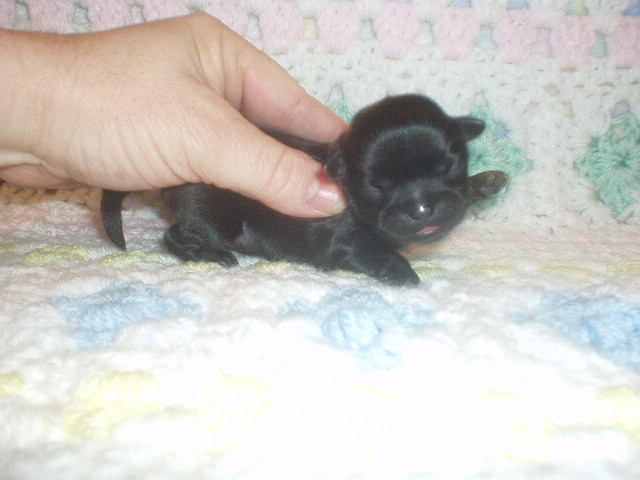
Shih Tzu dog shows and Shih Tzu dog breeding attracts the interest of people from all walks of life ranging from royalty to the lady next door. Ordinary family folk attend dog shows and compete successfully with top-quality dogs they have bred themselves. A good dog show judge will disregard all but the dogs themselves when making a final decision. Who you are or where you come from does not matter in good show dog judging. The Shih Tzu dogs have to prove themselves, not the people. The dog game is simply a love of dogs. Most of the people you will meet at a Shih Tzu dog show share an appreciation for their dogs. As with any hobby or profession, however, there are many different opinions as to what a dog show truly is. You might hear things like: "it's a cult." You will definitely hear about the politics and the enormous amounts of money people spend on the dogs and how much the dogs hate it.
Read on at: Stain Glass Shih Tzu
Monday, March 06, 2006
Your Shih Tzu Puppy's First Bath
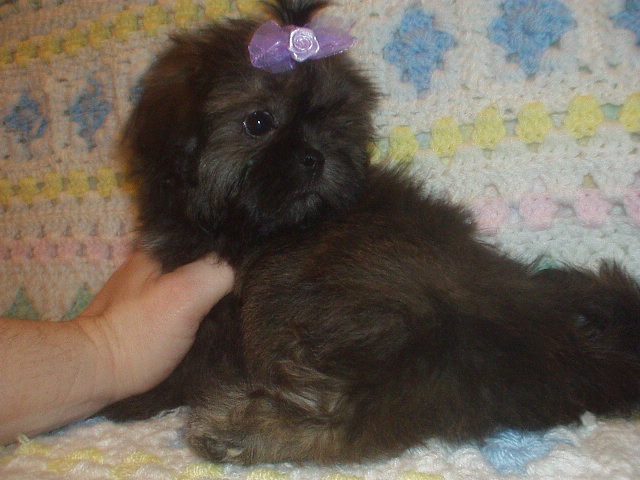
Do not wait too long to start grooming your Shih Tzu. It is hard to make brushing a positive experience if you wait until your Shih Tzu is matted and start by yanking out the mats and tangles. If this becomes necessary, carefully clip out mats, then begin working with your mat-free Shih Tzu to acclimate it to grooming. When you use scissors to remove mats, snip a few hairs at a time. Be sure you have clearance between the mat and the skin. If your Shih Tzu puppy is too wiggly to do this safely, please seek the help of a professional groomer. Do not bathe your Shih Tzu puppy too frequently. You will risk drying out its skin and coat. Bathe your Shih Tzu puppy no more than once weekly and every two weeks if possible.
Read on at: StainGlass Shih Tzu
Sunday, March 05, 2006
Breeding a Shih Tzu Puppy Litter E-book: $7.95
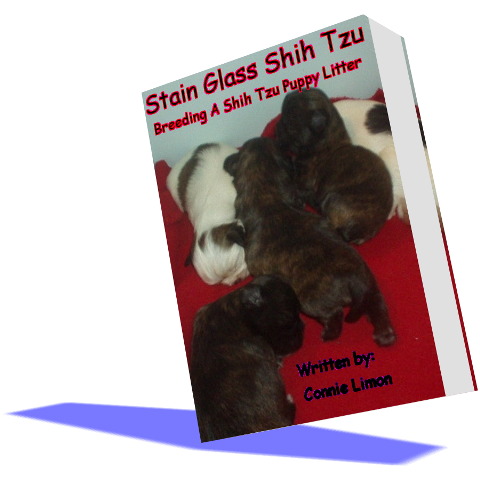
Information and guidance on breeding Shih Tzu puppies. 30 pages. 613 KB file size
Breeding a Shih Tzu Puppy Litter ebook on sale at: Stain Glass Shih Tzu
Saturday, March 04, 2006
Shih Tzu ebook: A Little Dog with a Big Story to Tell

Shih Tzu e-book containing History of the breed, training techniques, grooming and much more. 168 Pages Many Pictures of Stain Glass Shih Tzu dogs and puppies.
To purchase ebook: Stain Glass Shih Tzu
Subscribe to:
Posts (Atom)