Saturday, April 14, 2007

Breeding to the AKC Shih Tzu Standard

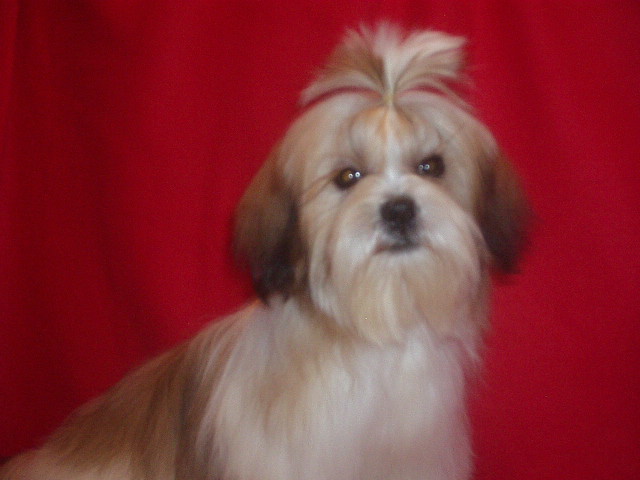
Photo: Duke of Stain Glass Shih Tzu


There is more than one area of the Shih Tzu that is considered in terms of “breeding to the AKC Shih Tzu Standard. I have been on Shih Tzu Puppies for sale websites in which they will state: “We breed to the AKC standard.” We do not breed “imperial or teacup” Shih Tzu. Our Shih Tzu weighs 9 to 16 pounds. They do not weigh below the AKC standard of 9 pounds. And they will go on to say: “My goodness, why in this world would anyone want to steer away from the AKC Shih Tzu standard.” If you take a quick look at the pictures of some of the Shih Tzu they are breeding from you will see rather quickly that most of them have excessive eye white (which shows very plainly in the picture). Excessive eye white is not breeding Shih Tzu to the AKC standards. There should be very little if almost no eye white at all showing on a perfect example of an AKC standard Shih Tzu. You might have the right weight there, but if the rest of the standard is missing, “you are not breeding Shih Tzu to the AKC standard.”

If you are truly breeding to the AKC standard you must also produce the Shih Tzu AKC standard in all other areas besides “weight.”

The following is a description of all else you must include in your Shih Tzu breeding program while breeding for the AKC standard:

General Appearance:

• Sturdy
• Lively
• Alert
• Long Flowing Double Coat
• Compact, solid, carrying good weight and substance.

Size:

• Height at withers is 9 to 10 ½ inches, but not less than 8 inches or more than 11 inches.
• Ideal weight of mature dogs 9 to 16 pounds
• Length between withers and root of tail is slightly longer than height at withers.
• Shih Tzu must never be so high stationed as to appear leggy or so low stationed as to appear dumpy or squatty.

Head:

• Round
• Broad
• Wide between eyes
• The size of the head should be in balance with the overall size of dog being neither too large nor too small
• Fault: Narrow head, close-set eyes
• Expression: Warm, sweet, wide-eyes, friendly and trusting.
• Eyes: Large, round, not prominent, place well apart, looking straight ahead. Very Dark. Lighter on liver pigmented dogs and blue pigmented dogs. Fault: Small, close-set or light eyes, excessive eye white.
• Ears: Large, set slightly below crown of skull; heavily coated.
• Skull: Domed. Stop – There is a definite stop.
• Muzzle – Square, short, unwrinkled, with good cushioning, set no lower than bottom eye rim, never down turned. Ideally no longer than 1 inch from tip of nose to stop, although length may vary slightly in relation to overall size of dog. Front of muzzle should be flat, lower lip and chin not protruding and definitely never receding. Fault: Snippiness, lack of definite stop.
• Nose: Nostrils are broad, wide and open. Pigmentation: Nose, lips, eye rims are black on all colors, except liver on liver pigmented dogs and blue on blue pigmented dogs. Fault: Pink on nose, lips or eye rims.
• Bite: Undershot. Jaw is broad and wide. A missing tooth or slightly misaligned teeth should not be too severely penalized. Teeth and tongue should not show when mouth is closed. Fault: Overshot bite.
• Neck, topline, body: Of utmost important is an overall well-balanced dog with no exaggerated features.
• Neck: Well set-on flowing smoothly into shoulders; of sufficient length to permit natural high head carriage and in balance with height and length of dog.
• Topline: Level.
• Body: Short-coupled and sturdy with no waist or tuck-up. The Shih Tzu is slight longer than tall. Fault: Legginess.
• Chest: Broad and deep with good spring-of-rib, however, not barrel-chested. Depth of ribcage should extend to just below elbow. Distance from elbow to withers is a littler greater than from elbow to ground.
• Croup: Flat
• Tail: Set on high, heavily plumed, carried in curve well over back. Too loose, too tight, too flat, or too low set a tail is undesirable and should be penalized to extent of deviation.
• Forequarters: Shoulders: Well-angulated, well laid-back, well laid-in, fitting smoothly into body.
• Legs: Straight, well boned, muscular, set well-apart and under chest, with elbows set close to body.
• Pasterns: Strong, perpendicular.
• Dewclaws: May be removed.
• Feet: Firm, well-added, point straight ahead.
• Hindquarters: Angulation of hindquarters should be in balance with forequarters.
• Legs: Well-boned, muscular and straight when viewed from rear with well-bent stifles, not close set but in line with forequarters.
• Hocks: Well let down, perpendicular. Fault: Hyperextension of hocks.
• Dewclaws: May be removed.
• Feet: Firm, well-padded, pointed straight head.
• Coat: Luxurious, double-coated, dense, long, and flowing, slight wave permissible. Hair on top of head is tied up. Fault: Sparse coat, single coat, curly coat.
• Trimming: Feet, bottom of coat, and anus may be done for neatness and to facilitate movement. Fault: Excessive trimming.
• Color and Markings: All are permissible and to be considered equally.
• Gait: The Shih Tzu moves straight and must be shown at its own natural speed. Smooth, flowing, effortless movement with good front reach and equally strong rear drive, level topline, naturally high head carriage, and tail carried in gentle curve over back.
• Temperament: Outgoing, happy, affectionate, friendly and trusting towards all.

Next time you run upon a Shih Tzu salesperson or Shih Tzu website who tells you they are breeding to the AKC standard, because they have Shih Tzu who are not Teacups or Imperials and who are 9 to 16 pounds, check to see if all the above is true also. If it is, then you can conclude they are breeding Shih Tzu to the AKC standard.

If you find deviation from the above then you can conclude that Shih Tzu salesperson or website is not breeding to the AKC standard regardless of their “size of Shih Tzu being 9 to 16 pounds.” People who breed to the AKC standard means they are producing Shih Tzu with all the above attributes, not just the right weight.

Sources: American Kennel Club Shih Tzu Breed Standard

Author: Connie Limon. Visit us at http://www.stainglassshihtzus.com and sign up for our helpful newsletters. I raise Shih Tzu puppies in a variety of colors at reasonable prices for pet or show prospect. Puppies are sold with a health guarantee.

This article is FREE to publish with the resource box.


.

Saturday, February 10, 2007

First Aid Treatments for Your Shih Tzu


Connie Limon
Be prepared for injuries and accidents for your Shih Tzu. Accidents can and do happen. Sometimes they can be quite serious. Being prepared for emergencies can increase chances of saving the life of your Shih Tzu and/or reducing the severity of the injury.

Every Shih Tzu owner should have a basic first aid kit. Items included in the kit should be:

* Ace bandage * 1-inch adhesive tape * Anticoagulant powder * Topical antibiotic ointment * Bandage scissors * Betadine soaked gauze sponges * A 2-1/2 inch gauze roll * Gauze sponges * Hydrogen peroxide solution, 3% * Spoon splint * Rectal thermometer

Cuts or lacerations are one of the most common accidents. Even though most likely your Shih Tzu will be kept indoors and carefully guarded, there is always the chance of an unpredictable accident or injury. For cuts or lacerations the most important thing to have on hand is bandage material, cleaning material and anticoagulant powder (the kind of powder you and/or your groomer would use for nails being cut too short).

I keep anticoagulant powder always close at hand when I am grooming my Shih Tzu. No matter how careful I am it seems I always cut a nail too short and it makes me just want to cry and scream to see just the least bit of blood coming from my Shih Tzu nails. I reach for the anticoagulant powder and some q-tips while apologizing for the nick. I dip the q-tip in the anticoagulant powder and apply it to the spot that is bleeding, applying as much pressure as possible for several minutes. This same method will take care of most minor wounds. Larger wounds should be seen by a vet immediately. Even a very small wound, other than a toenail cut too short, should be reported to your vet.

Another problem especially with dogs and the Shih Tzu are bee stings. If this occurs your best bet is to call your vet for his advice. You can give Benadryl, but you will need to call your vet for exact dosage and the go ahead to give this. A good plan may be to ask in advance and have whatever the vet recommends on hand in case of a bee sting emergency. It is reported that most dogs do not have a problem with bee stings, but some may have respiratory difficulty. If your Shih Tzu gets a bee sting, by all means carefully watch him or her for at least 24 hours.

Since the Shih Tzu is considered to be a small breed dog, regardless of the exact pounds, the Shih Tzu may have bouts of hypoglycemia (low blood sugar). Signs of hypoglycemia are the Shih Tzu will be lethargic and weak. You can rub karo syrup on the gums to quickly give the Shih Tzu an extra boost of glucose. I always keep Nutri-cal on hand to use for this with my Shih Tzu. Multiple episodes of hypoglycemia can be a sign of a more serious problem that should be reported to your vet for proper evaluation.

You should be able to distinguish between choking, gagging and coughing. Coughing may be brought on by strenuous exercise and go away once your Shih Tzu has settled down. Gagging may happen if your Shih Tzu swallows incorrectly and gets food caught in the trachea. If this occurs, a modified Heimlich maneuver can be used. Bend over your Shih Tzu, wrap your hands around its chest and do a quick jerking movement. This technique may be enough to dislodge something caught in the trachea. Choking can be caused by either an obstruction or a defect in the trachea. In the case of choking you should get your Shih Tzu to a vet as soon as possible. You might try to open your Shih Tzu's mouth and remove the obstruction if this is the cause of the choking. Be aware that you could receive a bite; therefore, this is not highly recommended.

If your Shih Tzu is hit by a car, get him or her on a firm surface. If that is not available, put your Shih Tzu in a blanket. You want to move the Shih Tzu in one piece with a minimal amount of motion. In this case, you need to transport your Shih Tzu to the vet as soon as possible.

Poisonings are a major concern. There are three more common types of poisonings in dogs, they are:

* Anti-freeze * Rodenticide * Garbage ingestion

In all cases of poisonings, contact your vet immediately, even if you only suspect a poisoning has occurred. It takes 24 to 72 hours for clinical signs of a poisoning to manifest. In your first aid kit and nearby your phone keep the National Animal Poison Control Center number, which is 1-800-548-2423.

The treatment for heat stroke is to soak your Shih Tzu in cool or lukewarm water. Provide water, but do not force feed water. Take your Shih Tzu's temperature. Normal temperature is 101 F and 102.5F. Contact your local veterinarian for further instructions and treatment.

In all cases of emergency with your Shih Tzu keep your veterinarian informed. He or she will know best as to how to treat your pet once you have administered emergency first aid treatment.

Author: Connie Limon, Breeder of pet and show prospect Shih Tzu in a variety of colors. Visit us at http://www.stainglassshihtzus.com and sign up for our FREE newsletters. Our website provides a wealth of information. Puppies are sold with health guarantee and are bred from champion bloodlines.

This article is FREE to publish with the resource box.

Thursday, February 08, 2007

Congestive Heart Failure Common in Older Small Breeds Such as the Shih Tzu


Connie Limon
Congestive heart failure is a serious condition that does affect older small breeds such as our beloved Shih Tzu. Congestive heart failure is defined as the heart's inability to function normally, which leads to excessive retention of water and salt causing fluid build-up in the lungs. The major underlying cause is degeneration of the heart valves. Dogs and the Shih Tzu with this condition often develop a heart murmur, however, it is important to know and remember that not all dogs who have heart murmurs will develop congestive heart failure.

The three main signs to look out for congestive heart failure in your Shih Tzu or older Shih Tzu are:

1. Exercise intolerance; 2. Labored breathing; 3. And coughing.

Always provide your Shih Tzu with a yearly vet check-up and allow your vet to follow-up on any abnormal findings.

Treatment for congestive heart failure includes:

* Diet low in sodium * Diuretics * Dilator drugs * Digoxin (Digitalis)

A Shih Tzu or dog that has been diagnosed with heart failure usually has a life expectancy of between six months and several years. Treated Shih Tzu and dogs will live longer than those left untreated.

You need to also remember that a degeneration of heart valves is a common aging change in small breed dogs like our beloved Shih Tzu. Also remember that even if your Shih Tzu puppy is diagnosed with a heart murmur, this does not mean he or she will ever develop heart failure.

Many times new owners think a heart problem is the result of in-breeding or line breeding or breeding Shih Tzu that are smaller in the size than the standard show dog AKC calls for as 9 to 16 pounds.

Would be Shih Tzu owners need to realize that the size of any living creature does not dictate the health of that creature, and that most of the statements made in this regard are purely by those who do not have the smaller sizes and are fearful their sales will be damaged by breeders who do have the smaller size Shih Tzu.

It is all about money for most of those who talk the most and loudest against smaller size Shih Tzu. Few of those people are actually worried that you the consumer is going to get burned or that the Shih Tzu breed will be ruined forever by these smaller Shih Tzu gene pools. They are worried it takes dollars from their pockets.

I think if these people are sincerely worried about the Shih Tzu breed being ruined, they need to start donating most of their income derived from their puppy sales and/or Show Dog winnings to research of genetic problems in the Shih Tzu in general. It is my opinion this would benefit the breed much more than "bad-mouthing" people who raise and adore the smaller size Shih Tzu in the hopes that consumers will not purchase them and have to resort to purchasing only the size they promote.

As always please consult with a professional vet of your choice about any kind of health problem related to your pets. This article is not meant to diagnose, treat or cure any kind of a pet health problem. It is offered as information only.

Author: Connie Limon, Breeder of pet and show prospect Shih Tzu in a variety of colors. Visit us at http://www.stainglassshihtzus.com and sign up for our newsletters. Our website provides a wealth of information. Puppies are sold with health guarantee and are bred from champion bloodlines.

This article is FREE to publish with the resource box.

Wednesday, February 07, 2007

Parvovirus is Most Deadly to Very Young Shih Tzu Puppies

Parvovirus is most deadly to Very Young Shih Tzu Puppies
by Connie Limon (Email: connielimon@yahoo.com)
Connie Limon Parvovirus is most deadly to Very Young Shih Tzu Puppies

I am so surprised at how many pet owners and would be pet/Shih Tzu owners do not know which vaccinations are mandatory for Shih Tzu puppies. In this article I will address only the importance of "extra" protection against the deadly canine disease of "parvovirus."

Canine parvovirus is everywhere in the environment. Puppies and this does include Shih Tzu puppies are extra susceptible to parvovirus. The disease usually hits puppies the hardest, although adults can contract the parvovirus disease the same, your Shih Tzu puppy is most vulnerable. It is wise to protect your Shih Tzu puppy against this debilitating, sometimes deadly canine disease.

Parvovirus is shed in the feces of an infected Shih Tzu or any canine species. If another Shih Tzu or any other canine species comes into oral contact with the infected feces, they become inoculated with the virus. The degree to which your Shih Tzu puppy is affected will depend upon its own individual immunity to the disease. If your Shih Tzu puppy's mother was properly vaccinated, she will transfer immunity to parvovirus in the colostrums or first milk. I always vaccinate all my adult Shih Tzu each year.

The maternal antibodies transferred through the Shih Tzu mother's milk to the Shih Tzu puppies may be present in the Shih Tzu puppy for up to 20 - 22 weeks. This does not mean the Shih Tzu puppy will be absolute immune to the parvovirus this entire time.

Most of the Shih Tzu puppy's maternal antibodies to other viruses commonly vaccinated against have disappeared by about 12 weeks, however, the maternal parvovirus antibodies do persist longer.

It is wise to ensure your Shih Tzu puppy is adequately protected against parvovirus no matter when its mother's antibodies begin to wear off. Your Shih Tzu puppy needs to be vaccinated every three weeks starting at about 8 weeks, until it is 20 - 22 weeks old. Keep your older Shih Tzu up-to-date on vaccines as well. As the Shih Tzu ages, or any canine species, their immune system may become impaired and this may leave them more susceptible to diseases.

In addition to proper vaccination of your Shih Tzu puppy, you also need to keep young Shih Tzu puppies isolated from other dogs and out of parks where they may come in contact with infected feces, until they have completed their series of vaccinations. This decreases their chances of being exposed to parvovirus.

Parvovirus Signs:

* Loss of appetite * Lack of energy * Vomiting or diarrhea (the vomitus or diarrhea may be bloody).

Since these signs can indicate many diseases, you will need to see your vet if your Shih Tzu puppy shows any of these. Young Shih Tzu puppies, less than three months of age, can become dehydrated quickly, and die easily if not treated promptly. There is a special test your vet can perform for the parvovirus.

As of this date, there is no drug available that kills parvovirus once the animal is infected. The Shih Tzu or any other canine animal will have to rid itself of the virus. In other words, once a Shih Tzu puppy has contracted parvovirus, the virus will need to runs it course through the Shih Tzu puppy's system. Supportive care is the main treatment of parvovirus infections.

Sick Shih Tzu puppies need to be given fluids if they are dehydrated. Secondary bacterial infections may also result. If an infection develops, antibiotics need to be administered to fight it. Sometimes it is necessary to be kept in a vet hospital setting throughout the course of the disease. Other times, the disease can be managed at home. It depends upon the severity and the recommendations of your vet.

Treatment for parvovirus may take a couple days up to several weeks. This also depends upon the individual animal's immune system, its age and the severity of the case.

It is highly important to clean up the living quarters of a Shih Tzu who has had parvovirus. Parvovirus can exist in the environment for long periods of time. Washing the Shih Tzu's area with bleach and water in a 1:30 dilution will kill the virus. Throw away all feeding and drinking bowls, and all toys that came in contact with the sick Shih Tzu. Bedding can be saved if you will wash it in the bleach solution, but better to just throw it all away to prevent further spread of the infection. Your Shih Tzu can be re-infected as well.

Discard all feces promptly, wear gloves and rinse your own hands with the bleach solution. Humans can spread the disease on their hands if they touch the feces. Very small amounts of fecal material on the Shih Tzu's coat can contain large numbers of viral organisms and can easily be transmitted to other dogs.

Although there are a number of diseases Shih Tzu puppies and other canine breeds are susceptible to acquiring, the parvovirus is the most deadly to very young Shih Tzu puppies. Take all precautions necessary to keep your Shih Tzu puppy safe from this disease.

Author: Connie Limon, Breeder of pet and show Shih Tzu prospects in a variety of colors. Visit us at http://www.stainglassshihtzus.com and sign up for our FREE newsletters. Puppies are sold with health guarantee and are bred from champion bloodlines. Also visit our collection of Shih Tzu articles at http://shihtzuarticles.com

This article is FREE to publish with the resource box.

Tuesday, February 06, 2007

Controlling Brucellosis in Your Shih Tzu Breeding Kennel

Controlling Brucellosis in Your Shih Tzu Breeding Kennel
by Connie Limon (Email: connielimon@yahoo.com)
Connie Limon
Are you thinking about breeding your Shih Tzu or you are already an established Shih Tzu kennel? You might think about having your Shih Tzu tested for Brucellosis on a regular basis.

Brucellosis is a bacterial disease known very well by food animal producers. Brucellosis can cause a number of breeding problems such as abortions, infertility and decreased milk yield in cattle.

Not only does Brucellosis affect cattle, but it can also affect dogs, including the Shih Tzu, sheep, goats, pigs and even humans.

How is Brucellosis passed in these different species of animals including the Shih Tzu? The major way Brucellosis is transmitted is through direct contact of an infected aborted fetus, or uterine discharge. Brucellosis is also spread when animals eat contaminated feces, and through sexual contact.

Signs of a Brucellosis infection in dogs and the Shih Tzu may include:

* Abortion * Infertility * Infected reproductive organs * Arthritis * Disc disease * Fever * Hind limb weakness * Lethargy * General lymph node swelling

These are signs of many diseases; therefore, it is important to take your Shih Tzu to the veterinarian if it shows any of them. The veterinarian will draw a blood sample to make a definitive diagnosis of Brucellosis in your Shih Tzu.

If your Shih Tzu is diagnosed with Brucellosis be aware that it is difficult to treat. It often takes a long period of antibiotic therapy to get rid of Brucellosis fully. Blood samples are required to monitor the progress of the drug treatment. These blood samples can get expensive.

It is possible for humans to become infected with canine Brucellosis. You could possibly contract the disease of Brucellosis from your Shih Tzu; however, transmission from dogs to people seems to be uncommon.

Since Brucellosis is sexually transmitted, it is important for Shih Tzu breeders to be sure all of the Shih Tzu in their kennel test negative for the bacteria. If your Shih Tzu test positive for Brucellosis, do not breed them. Your Shih Tzu may in fact show no clinical signs of Brucellosis, but still be able to transmit the disease in semen or vaginal fluid. Therefore testing is vital.

When is the best time to test your Shih Tzu for Brucellosis?

* Female Shih Tzu should be tested a few weeks before they come into heat. * Male Shih Tzu should be tested twice a year. * Any new Shih Tzu brought into the kennel should be isolated until tests prove negative results twice. The second test should be done one month after the first one.

Many disinfectants prepared especially for kennel use easily kills the bacteria. The bacteria are also relatively easy to kill with a diluted bleach/water solution.

At the present time in vet science there are no vaccines available for canine brucellosis. Ways to help control Brucellosis in your Shih Tzu kennel include:

* Eliminating positive animals from breeding stock * Proper disposal of waste and wearing gloves to handle any fetal membranes or aborted Shih Tzu fetuses, followed by thorough disinfection of the area.

Questions regarding canine Brucellosis should be directed toward your veterinarian.

Author: Connie Limon, breeder of pet and show prospect Shih Tzu in a variety of colors. Visit http://www.stainglassshihtzus.com and sign up for our FREE newsletters. Our website offers a wealth of information. Puppies are sold with health guarantee and are bred from champion bloodlines. Also visit our collection of Shih Tzu articles at http://shihtzuarticles.com

This article is FREE to publish with the resource box.


Wednesday, January 31, 2007

Pancreatitis in the Shih Tzu

Pancreatitis in the Shih Tzu
by Connie Limon (Email: connielimon@yahoo.com)
Connie Limon
It is very important to feed your Shih Tzu a well-balanced diet of pet food and not table scraps. Pancreatitis is a severe inflammation of the pancreas that can result from feeding your Shih Tzu table scraps.

A Shih Tzu with pancreatitis may suddenly vomit, become dehydrated, be lethargic and have diarrhea. These symptoms are common to a lot of different canine diseases; therefore, the diagnosis of pancreatitis is very difficult for a vet to make. He will depend a lot upon a good history from the Shih Tzu owner.

Please read on at: http://www.stainglassshihtzus.com
http://shihtzuarticles.com

Sunday, January 28, 2007

Differences and Similarities of Shih Tzu and Lhasa Apso


The Shih Tzu is one of the breeds of dogs that have their hair parted in the middle. This is called “parted-coat” breeds. Another important distinguishing grooming pattern of the Shih Tzu is the topknot tied up with ribbons or bows.


A pin brush is used on The Shih Tzu for regular grooming sessions. For a Shih Tzu coat that has not been groomed regularly or neglected a soft wire slicker brush is used.


Thursday, January 25, 2007

Basics of a Shih Tzu Dog Show

If you have never gone to a Shih Tzu or any breed dog show you might wonder exactly what the judge will be doing.

The judge will look into the mouth of the Shih Tzu or other dog breed to check for the correct number of teeth and the bite. I mean after all, do you ever see a winning Miss America with no front teeth? The same holds true for Shih Tzu and other dog breeds in the show ring. Missing teeth is a disqualification in many of the breeds.

He will also check a male to be sure he has two testicles. A missing testicle is a disqualification.

Please read on at: Stain Glass Shih Tzu

Tuesday, January 23, 2007

Basics of a Shih Tzu Dog Show

Basics of a Shih Tzu Dog Show
by Connie Limon (Email: connielimon@yahoo.com)


Connie Limon Photo: Olive Oil, Teacup Shih Tzu, of Stain Glass Shih Tzu. Olive was born to our Danny Boy and Gidget. She is soooo adorable. She will turn to a solid silver with black mask and some white accents. She is mine!

If you have never gone to a Shih Tzu or any breed dog show you might wonder exactly what the judge will be doing.

The judge will look into the mouth of the Shih Tzu or other dog breed to check for the correct number of teeth and the bite. I mean after all, do you ever see a winning Miss America with no front teeth? The same holds true for Shih Tzu and other dog breeds in the show ring. Missing teeth is a disqualification in many of the breeds.

He will also check a male to be sure he has two testicles. A missing testicle is a disqualification.

During this inspection the judge will feel various parts of the Shih Tzu or other breed of dog, searching out the angles of the shoulders and hips, the head and ribs. This is especially true with the heavily-coated breeds like the Shih Tzu. You can't tell exactly what the structure of a heavily-coated Shih Tzu is without hands-on examinations. Some of the smaller breeds are examined on a raised table. If you see a handler lift the Shih Tzu or other dog breed from the table to the ground with one hand under the chin and the other hand using the tail, they do this to avoid messing up the Shih Tzu's hairstyle. It is not uncomfortable for the dog at all.

The hands-on examination tells the judge a lot about the Shih Tzu or other dog breed, however, seeing the Shih Tzu move tells him even more. This is called "gaiting." The judge will determine how the Shih Tzu move around the ring, whether it be all together or one at a time, up and down or around and around. There are a lot of variations in how the judge performs the gaiting. The judge wants to see the Shih Tzu move from the rear, from the front and from the side. The judge has an experienced eye and seeing different views of the Shih Tzu in motion reveals different things.

In the AKC and UKC rings, all Shih Tzu or dog breeds are shown at a trot. In England and some other countries dogs and the Shih Tzu are often walked around the ring. There are many different handler "styles" when gaiting a Shih Tzu show dog.

After examining and moving all the Shih Tzu, the judge might just point to the winners, or he might place the winning Shih Tzu at the front of the line and have them all go around the ring one more time before pointing to the winning Shih Tzu.

How does the judge make a decision? He considers how closely each Shih Tzu comes to its own breed standard. There are many, many aspects to the Shih Tzu breed standard in which the Shih Tzu must pass in order to win in the show ring.

When you first start going to shows try to consider them as an exploration of new activities. Think more about how you feel about the sport in general. Notate the sport's good and bad aspects and not so much about your hopes to win once you get into the ring. The absolute best part about Shih Tzu dog shows is doing something with your Shih Tzu.

Author: Connie Limon. Visit us at http://www.stainglassshihtzus.com and sign up for our newsletters. I raise Shih Tzu puppies for pets or show prospects. Puppies are sold with a health guarantee.

This article is FREE to publish with the resource box.


Monday, January 08, 2007

Breeding to the AKC Shih Tzu Standard


There is more than one area of the Shih Tzu that is considered in terms of "breeding to the AKC Shih Tzu Standard. I have been on Shih Tzu Puppies for sale websites in which they will state: "We breed to the AKC standard." We do not breed "imperial or teacup" Shih Tzu. Our Shih Tzu weighs 9 to 16 pounds. They do not weigh below the AKC standard of 9 pounds. And they will go on to say: "My goodness, why in this world would anyone want to steer away from the AKC Shih Tzu standard." If you take a quick look at the pictures of some of the Shih Tzu they are breeding from you will see rather quickly that most of them have excessive eye white (which shows very plainly in the picture). Excessive eye white is not breeding Shih Tzu to the AKC standards. There should be very little if almost no eye white at all showing on a perfect example of an AKC standard Shih Tzu. You might have the right weight there, but if the rest of the standard is missing, "you are not breeding Shih Tzu to the AKC standard."


Sunday, January 07, 2007

Be a Shih Tzu Show Dog Spectator First

Photo: Ginger of Stain Glass Shih Tzu


If you are planning to show your Shih Tzu, your first experiences with conformation should be as a spectator. You need to do some studying and practicing before actually going into a show with your Shih Tzu. Leave the Shih Tzu behind.


The first thing you will want to purchase at the show is a show catalog. Don't miss out. Clubs often run out of these early in the day. The show catalog is like a scorecard. They are usually for sale on the superintendent's table.


Read on at: Stain Glass Shih Tzu

Saturday, January 06, 2007

Tips on How to Become a Successful Shih Tzu Show Dog Breeder

If you decide to enter the show ring with your Shih Tzu one of the greatest benefits will mostly likely be an enhanced appreciation for the sheer beauty of the Shih Tzu. Just think about it, even if you only own one Shih Tzu yourself, at the shows you will see dozens and hundreds of Shih Tzu. Most of these Shih Tzu will be in prime health and perfectly groomed. By observing, and asking questions when the opportunity arises, you will begin to see some of the differences in the Shih Tzu that you may not have noticed without going to the shows. You may be surprised at how much you learn about the Shih Tzu and maybe even your own Shih Tzu during these events.

Shih Tzu showing should also teach you some facts about yourself. You might think you will be a nervous wreck on stage in front of all those people, but then find yourself not at all that nervous, but full of pride and poise that your Shih Tzu shares in some of the qualities of the other Shih Tzu. Or you might feel like you will never lose it at a Shih Tzu dog show no matter what happens, and then the first time, someone else says a slightly less than kind remark about your very own beloved Shih Tzu, that you just fall to pieces and tear out in a rage at that person

Read on at: Stain Glass Shih Tzu

Friday, January 05, 2007

The Shih Tzu Belongs to the Toy Group

Photo: Ginger of Stain Glass Shih Tzu


How did our different dog breeds come into existence? People created each breed by choosing dogs with the desired qualities and breeding them to each other. People designed some dogs to hunt, others to herd, some to guard and some for companions. Our Shih Tzu is in the companion group of dog breeds.


According to the American Kennel Club a breed is defined as: "A relatively homogeneous group of animals within a species developed and maintained by man."

Tuesday, January 02, 2007

Show Dog Requirements for the Shih Tzu and Other Purebred Dogs

Photo: Juliet of Stain Glass Shih Tzu
There are rules and regulations you must follow if you want to show your Shih Tzu or any breed of dog. Among those rules are:


* To compete in conformation, your Shih Tzu or other breed of dog must be a purebred registered with a kennel club. * Purebred Shih Tzu or other purebred dogs adopted from shelters or rescue groups can get a special listing which allows them to compete in performance events, but not in conformation. * Registration papers must accompany the Shih Tzu or other breed of purebred dog to participate in dog shows. * The UKC welcomes mixed-breed dogs to compete in performance competitions. * Shih Tzu and other purebred dogs must be intact to compete in much of conformation. * The Canadian Kennel Club has a class for spayed and neutered dogs to show in conformation. * The Australian Shepherd Club of America is also trying out the idea of a class for spayed and neutered dogs to show in conformation. * You do not have to own the Shih Tzu or other breed of dog. You can show someone else's dog. There are professional handlers also.


Monday, January 01, 2007

The Biggest Event in the Dog Kingdom

Photo: Ginger of Stain Glass Shih Tzu (Just look at that face, looks almost human.....


What is the biggest event in the dog kingdom? A dog show is the answer to this question. It is also called the "breed ring" or "the fancy." Thousands of dog shows takes place in the United States every year. Thousands of Shih Tzu are entered into these dog shows. There are only a few countries in this world that are not involved in the dog show sport. So you can imagine just how many dogs and owners are traveling to a show on any given weekend. The number has to got be absolutely astronomical!


Just what is the reason for all these people/dogs/Shih Tzu teams to leave their warm and snug homes to go to a dog show that might be held in rain, sleet or snow? Well, if you think about it, why do people go to baseball games, and basketball games and foot ball games? Probably very much the same reason people travel far and near through all kinds of weather to a dog/Shih Tzu show. There has to be more in it than just a tiny piece of silk ribbon or a trophy. And there is more to it for those who enjoy this type of sport. Many people just love the breathtaking beauty of the Shih Tzu show dogs. Others enjoy the adrenal surge when they step out into the ring for a chance to prove their Shih Tzu is the very best Shih Tzu. A person has to have a competitive side to their personality to be a part of the Shih Tzu Show Dog World.

Read on at: Stain Glass Shih Tzu

Thursday, December 21, 2006

The First Shih Tzu Imported from the British Isles


It is one opinion in Shih Tzu History documentations that the Scandinavian imports were nearer to the direct imperial line, although those who brought the first Imperial Shih Tzu to the British Isles did so at about the same time. These early English and Irish fanciers acted according to the best knowledge available to them and went to very great trouble to secure the finest possible specimens of the breed. However, noted throughout shih tzu history, is the fact that a Danish couple were able to bring home a "palace-born" Imperial Shih Tzu.

A Shih Tzu named Lung-Fu-Ssu was one of the first three Shih Tzu to have been brought to Europe from Peking. A woman by the name of Miss Hutchins brought the black and white dog to Ireland in 1930 and exhibited him at the Cheltenham Show in 1933

Read on at Stain Glass Shih Tzu

Friday, December 15, 2006

Shih Tzu Grooming Tips - Coat Handling Basics


Use gentle action. When bathing, thoroughly wet the coat with warm water, apply shampoo and gently squeeze the suds through the coat to cleanse rather than scrubbing the hair back and forth. Use a gentle, all natural shampoo such as HealthyPetNet Herbal Blend shampoo, which is a unique blend of herbs and other ingredients to soothe dry, itchy and irritated skin as well as to condition dull, brittle or normal coats. It gently cleans away dirt without drying and leaves the skin and coat fresh, clean and healthy. The shampoo has a fresh, peppermint smell. Always follow a shampoo with a creme rinse.

Read on at: Stain Glass Shih Tzu

Dog Bows


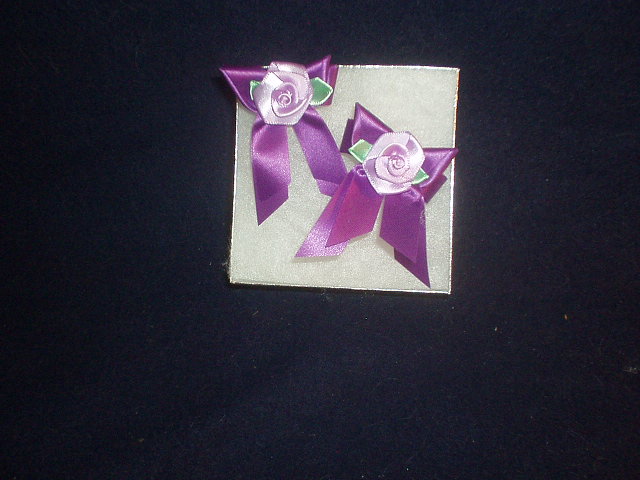
Purchase Professional Topknot Bows and Everyday dog bows at: Stain Glass Shih Tzu Receive a FREE gift with every bow order.

BUY NOW this Everyday TopKnot Bow for: $5.99
(Mention Code: Extra Gift Special Bow 102 and Receive TWO FREE gifts with the purchase of the bow pictured here). HURRY! I only have one of these bows left.


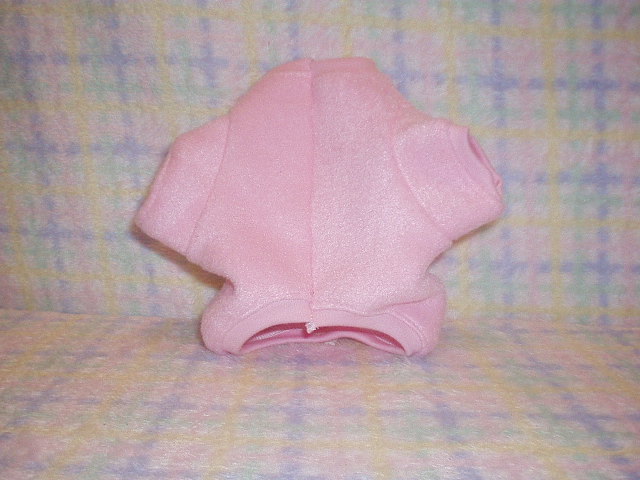
Fleece t-shirts


Purchase Fleece T-shirts at Stain Glass Shih Tzu.

BUY NOW this red fleece t-shirt in size small.
Measurements of garment:
Neck: 8 inches
Chest: 13 inches
Length: 6.5 inches
They are hand-made to fit any small breed dog.

BUY NOW Size Small for $16.99


Tuesday, December 12, 2006

My Shih Tzu Puppy Chews a lot - Especially on Me


Photo: Stain Glass Shih Tzu "Jitterbug"

Puppies who chew are normal. Chewing is a natural and necessary puppy behavior. Puppies at about four months of age are more prone to chewing because this is when they usually start teething. Other dogs that chew, especially when you are not at home, may be suffering from separation anxiety. Separation anxiety requires an entire new behavior treatment plan. In this newsletter, I want to give you a few tips for your typical, normal-behaving puppy chewer!

Read on at: Stain Glass Shih Tzu

Purchase Fleece T-shirts at: Stain Glass Shih Tzu

Purchase Professional Topknot Bows and Everyday Dog Bows at: Stain Glass Shih Tzu Receive a FREE gift with every bow order.

Stain Glass Shih Tzu Available Puppies

Blog Archive